
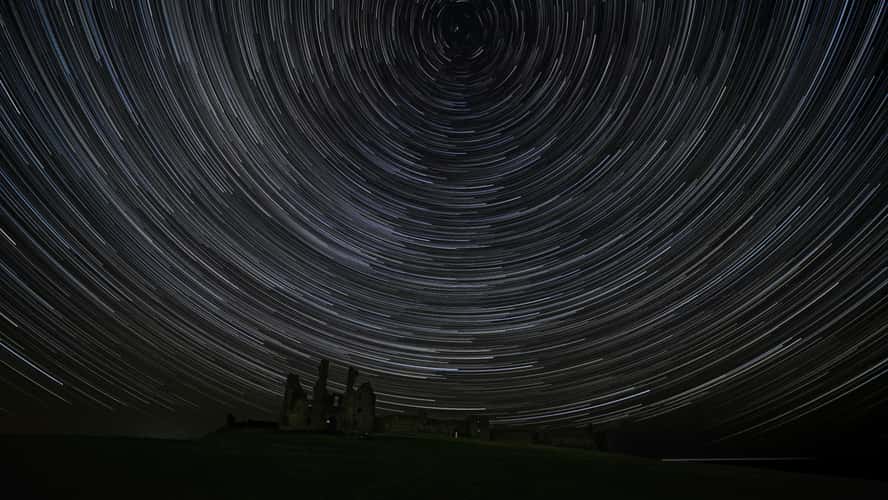
2 Photo Spots at the Dunstanburgh Castle

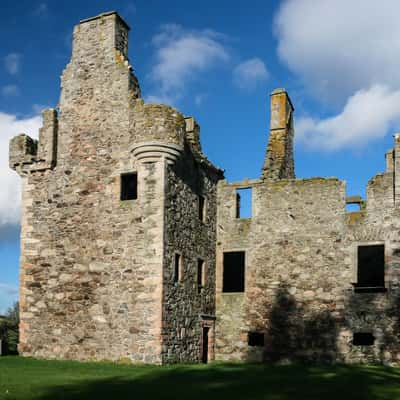
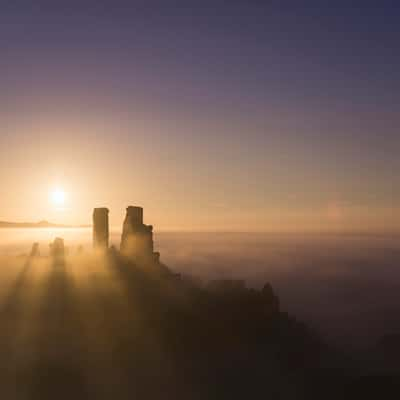
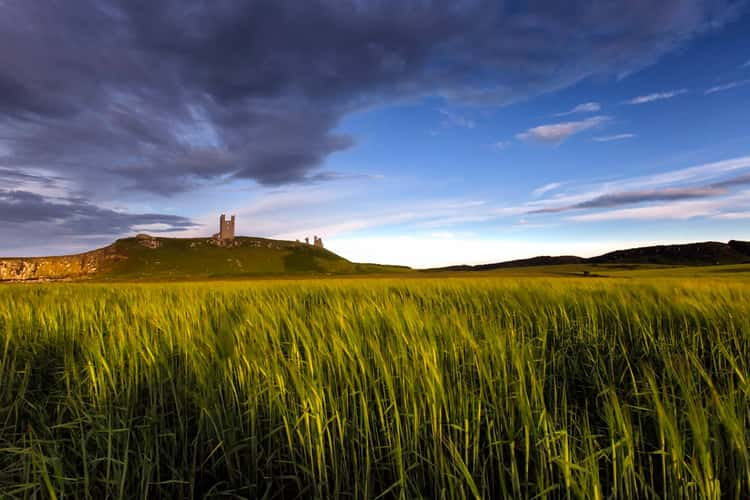
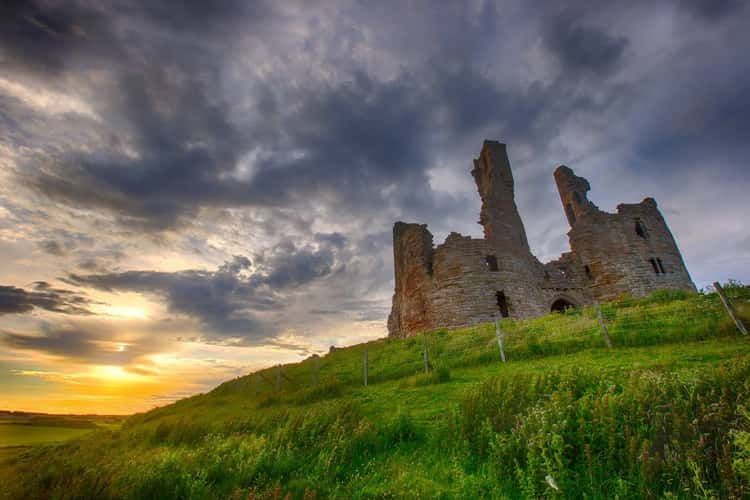
Dunstanburgh Castle is a dramatic 14th-century fortification located on a remote headland in Northumberland, England. Its skeletal remains silhouetted against the North Sea provide a hauntingly beautiful subject for landscape and architectural photography.

latest contributors
Davy Kelly David Bentley

Top photos from 2 spots at the Dunstanburgh Castle

Tips for your trip to Dunstanburgh Castle

About the location

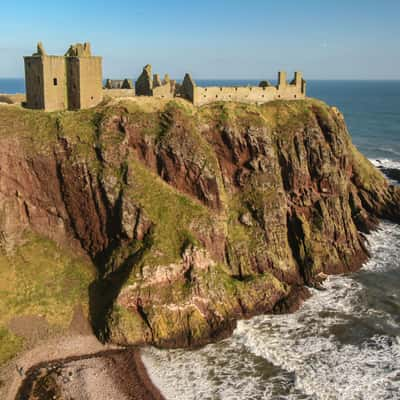
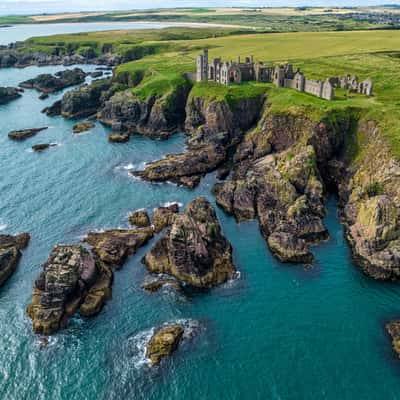
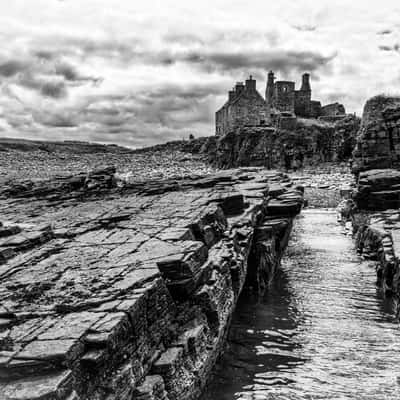
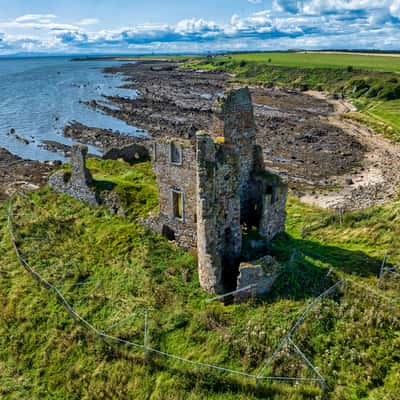
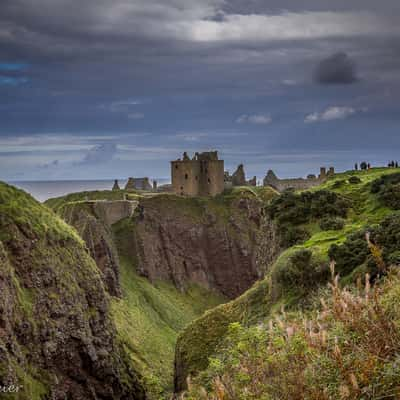
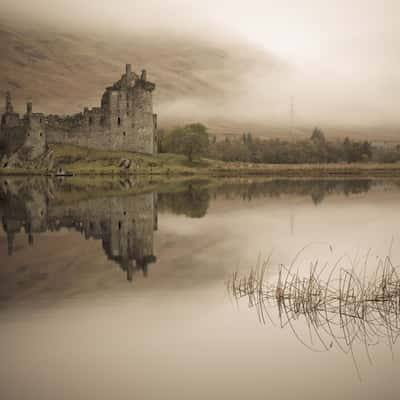
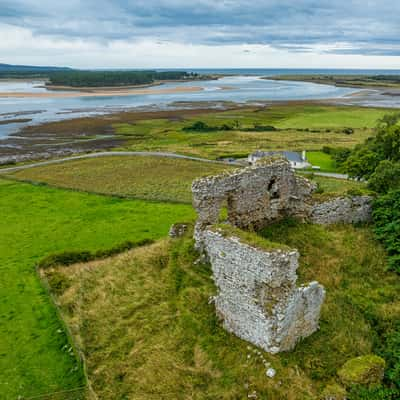
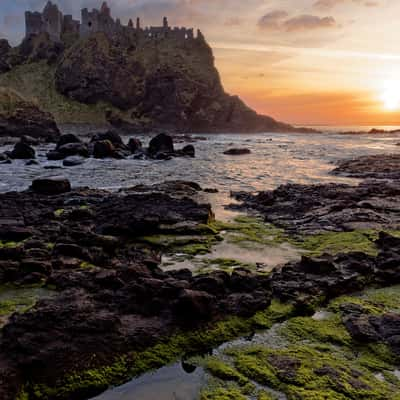
The castle's most iconic feature is the Lilburn Tower, which stands precariously over the rocky shoreline known as 'The Rumble Churn.' The surrounding landscape is characterized by rolling grassy dunes and jagged basalt rocks, which create dynamic foreground interest. Because the site is managed by English Heritage and is only accessible by foot, it retains a sense of isolation and wildness that is rare for historic ruins in the UK.
Best timing

Sunrise is undoubtedly the best time to photograph Dunstanburgh Castle, especially from the southern approach near Craster. The morning light hits the eastern facade of the ruins and the rocky coastline, often creating a warm glow that contrasts with the deep blues of the North Sea.

High tide can also be beneficial if you want to capture waves crashing against the basalt boulders at the base of the cliffs, adding a sense of drama and motion to your compositions.

Traveling

The castle is located between the villages of Craster and Embleton in Northumberland. Most photographers park in the public car park in Craster and take the scenic 1.3-mile walk along the coastal path, which offers continuous views of the ruins. Alternatively, you can park near Embleton and walk south across the beach and golf course; just be aware that the walk from Craster is relatively flat but can be muddy, so sturdy waterproof footwear is essential.

Photography tips for Dunstanburgh Castle

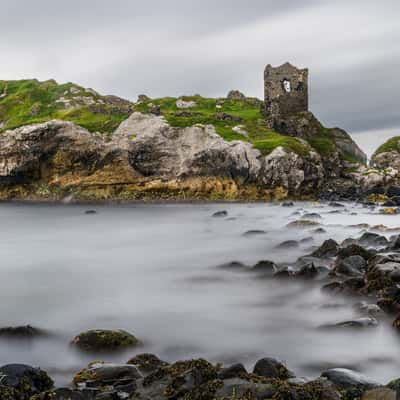
For the classic shot, head to the rocky shore south of the castle at mid-to-high tide to use the rounded basalt boulders and tide pools as leading lines towards the ruins. Use a wide-angle lens to emphasize the scale of the cliffs and a tripod for long exposures to soften the movement of the waves. The northern side near Embleton Bay offers a different perspective with the castle perched atop the cliffs overlooking a sweeping sandy beach, which is excellent for minimalist compositions. ND filters are essential for daytime long exposures, and a graduated filter can help balance the bright sky against the dark volcanic rocks.

Other languages

Here is how Dunstanburgh Castle is called in other languages:
CS Hrad Dunstanburgh DE Dunstanburgh Castle EL Κάστρο Dunstanburgh ES Castillo de Dunstanburgh FI Dunstanburghin linna FR Château de Dunstanburgh HI डन्स्टनबर्ग कैसल HR Dvorac Dunstanburgh IS Dunstanburgh-kastali IT Castello di Dunstanburgh JA ダンスタンバラ城 NL Dunstanburgh Castle NO Dunstanburgh Castle PL Zamek Dunstanburgh PT Castelo de Dunstanburgh RU Замок Данстанборо SV Dunstanburgh Castle TR Dunstanburgh Kalesi ZH 邓斯坦伯勒城堡

Imprint & Contact © Locationscout 2026 Privacy / Terms