


68 Photo Spots in the Rocky Mountains

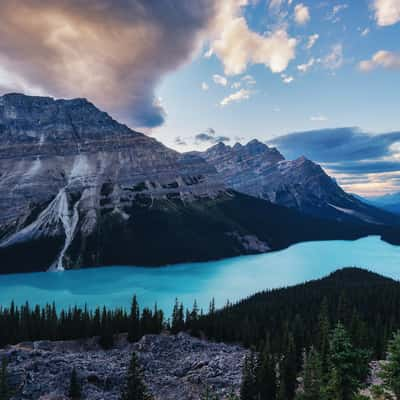
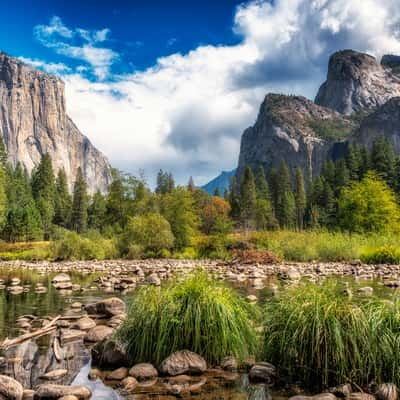
The Rocky Mountains, spanning over 3,000 miles from Canada to the southwestern United States, are a majestic and iconic mountain range known for their rugged beauty and diverse ecosystems.

latest contributors
Reinhard Prinzmeier Anika Milan Samochin Christopher Johnson Sebastian Lehrke

Tips for your trip to Rocky Mountains

About the location

This natural barrier separates the western coastal regions from the interior of North America, encompassing numerous peaks, including Mount Elbert, the highest point at 14,440 feet.
The Rockies offer a wealth of outdoor recreational opportunities year-round, from hiking and rock climbing in the summer to skiing and snowboarding in the winter. They are home to a rich variety of wildlife and plant species adapted to different elevations, making them a hotspot for nature enthusiasts and photographers alike. Beyond their natural splendor, the Rockies hold cultural significance for Native American tribes and have played a pivotal role in shaping the region's history and economy through mining, tourism, and outdoor recreation industries.


Best timing

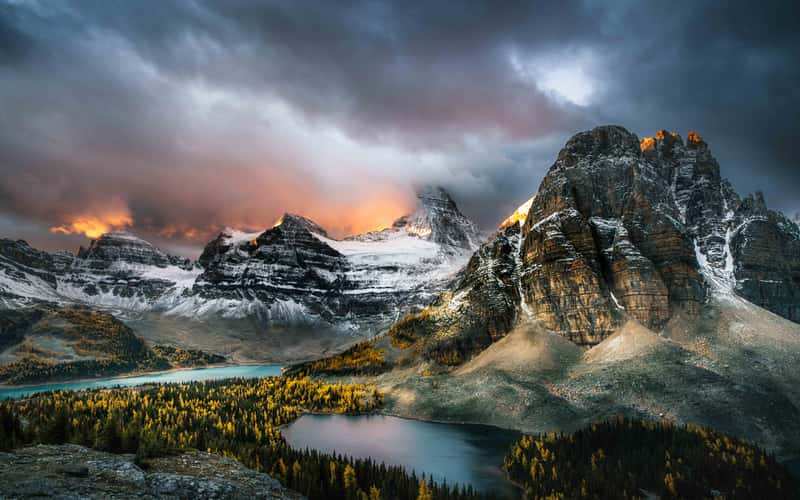
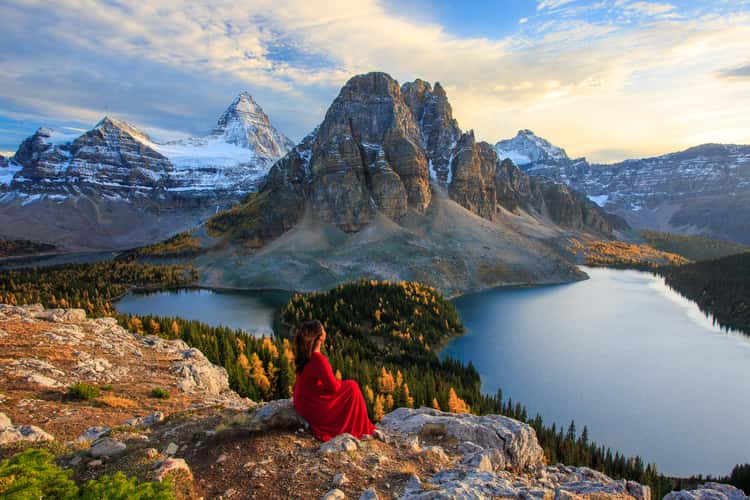
The best timing for photography in the Rocky Mountains is during the transition from late September to early October. In the Canadian Rockies, this is when the alpine larches turn a brilliant gold, while in the American Rockies, the aspen trees create vast patches of yellow and orange. This period also coincides with the elk rut, providing excellent wildlife photography opportunities under crisp, clear skies. Early summer, from late June to July, is also fantastic for vibrant alpine wildflowers and rushing waterfalls fueled by snowmelt. However, be prepared for lingering snow on higher-altitude trails during this time. Winter offers a serene, white landscape, but many iconic roads and high-elevation spots become inaccessible without specialized equipment.

Traveling

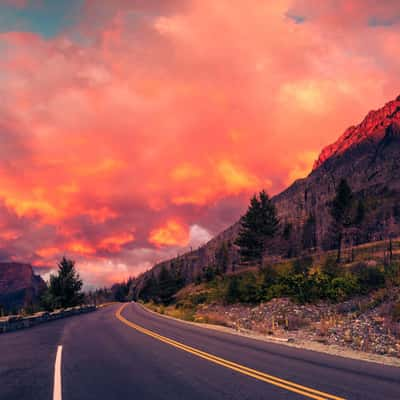
Accessing the Rocky Mountains is most convenient through major hubs like Denver International Airport in the USA or Calgary International Airport in Canada. A rental car is essential for photographers to reach remote trailheads and move between various national parks like Banff, Jasper, Glacier, and Rocky Mountain National Park. Most major scenic viewpoints have parking areas, though they fill up quickly during peak seasons, requiring early arrivals. Some areas, like the Maroon Bells or Moraine Lake, utilize shuttle systems during high-traffic months to manage crowds. Photographers should always carry a national park pass, be aware of seasonal road closures such as Trail Ridge Road or Going-to-the-Sun Road, and prepare for rapid weather changes at high altitudes.

Photography tips for Rocky Mountains

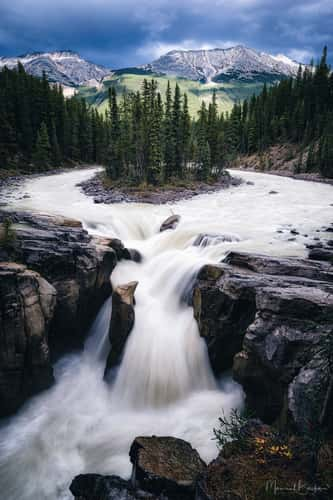
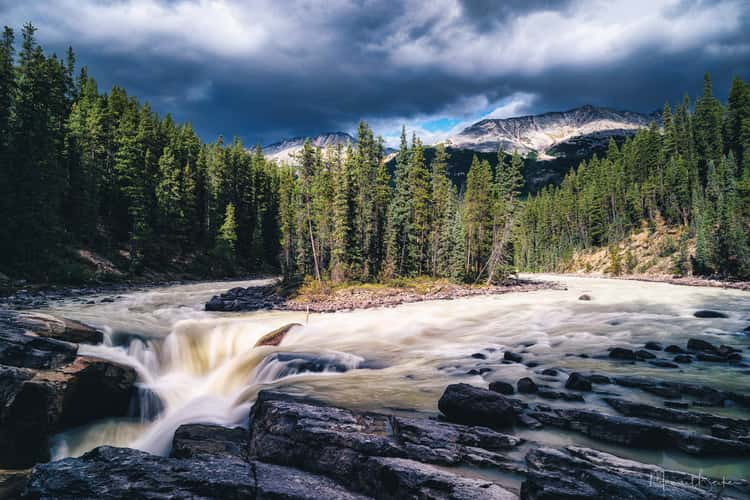
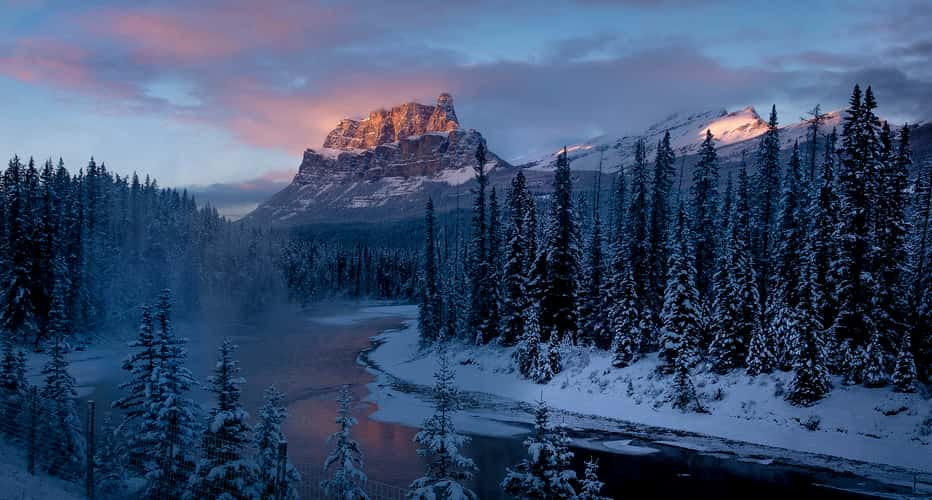
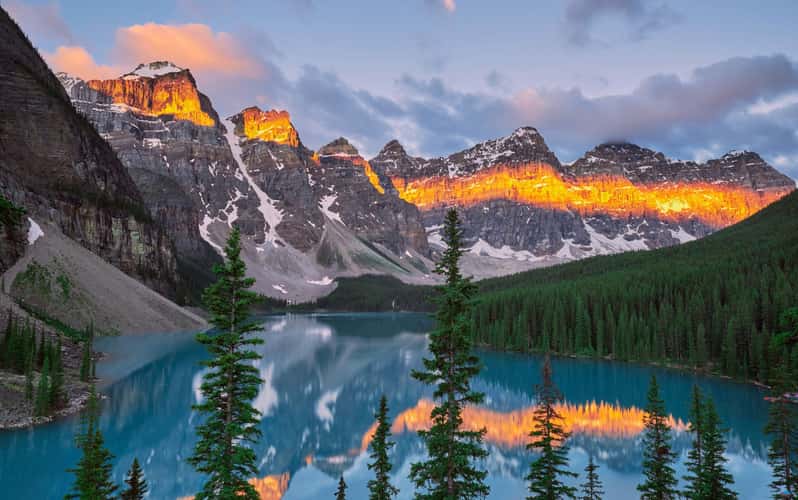
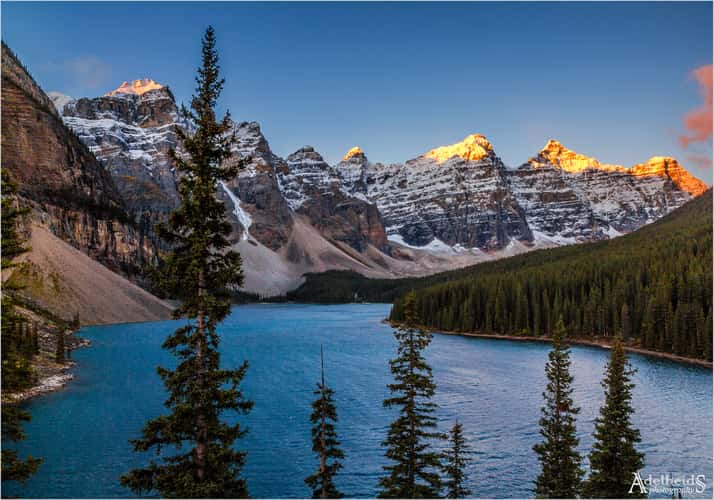
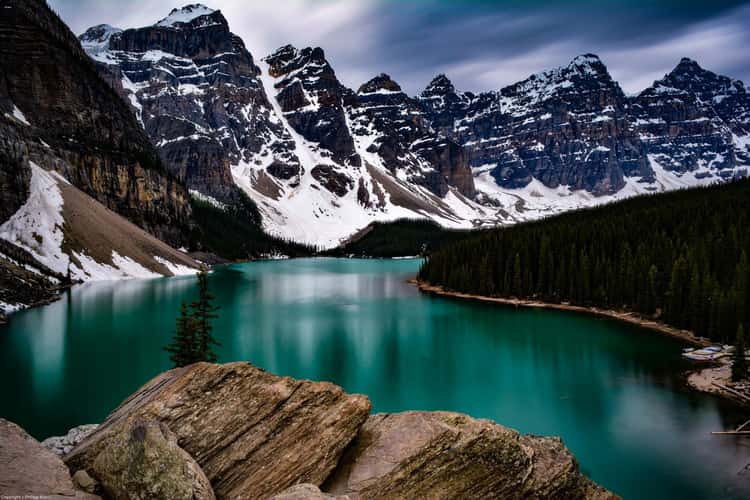
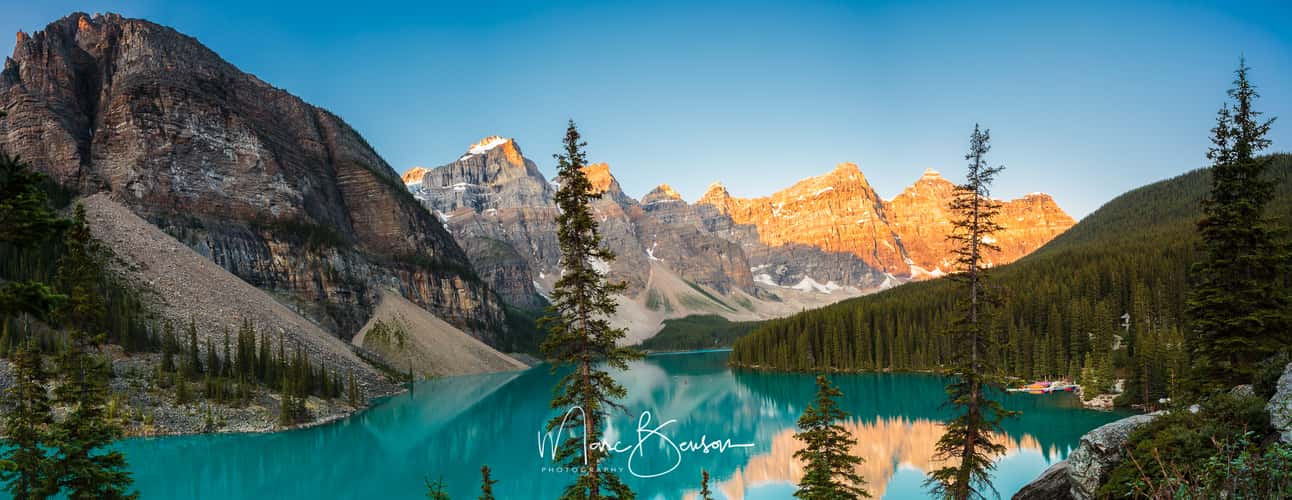
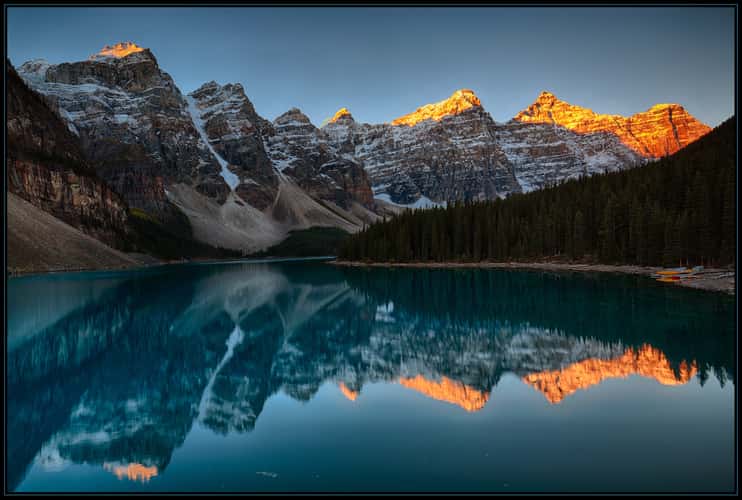
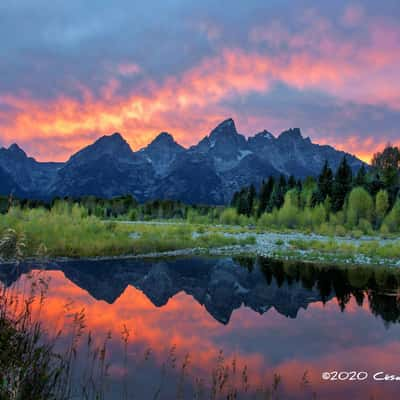
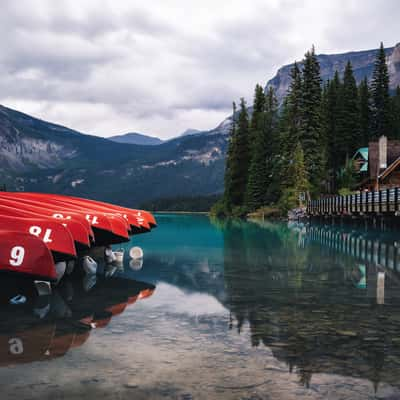
To capture the grandeur of the Rockies, a wide-angle lens is vital for expansive landscapes, while a telephoto lens (at least 200-400mm) is necessary for safe and respectful wildlife photography of bears, moose, and elk. Focus on the blue hour and golden hour, as the peaks catch the first and last light of the day, often creating a beautiful alpenglow effect. Use a circular polarizer to manage reflections on glacial lakes and to deepen the blue of the high-altitude sky. Compositionally, look for leading lines provided by mountain ridges or foreground interest like colorful rocks in riverbeds. Iconic spots like Lake Louise or the Tetons are best photographed at sunrise when the water is calmest for perfect reflections. Don't forget a sturdy tripod for long exposures of waterfalls or astrophotography in the region's many dark-sky preserves.

Other languages

Here is how Rocky Mountains is called in other languages:
CS Skalnaté hory DE Rocky Mountains EL Βραχώδη Όρη ES Montañas Rocosas FI Kalliovuoret FR Montagnes Rocheuses HI रॉकी पर्वत HR Stjenjak IS Klettafjöll IT Montagne Rocciose JA ロッキー山脈 NL Rocky Mountains NO Rocky Mountains PL Góry Skaliste PT Montanhas Rochosas RU Скалистые горы SV Klippiga bergen TR Rocky Dağları ZH 洛矶山脉

Imprint & Contact © Locationscout 2026 Privacy / Terms