


83 Photo Spots in Liège

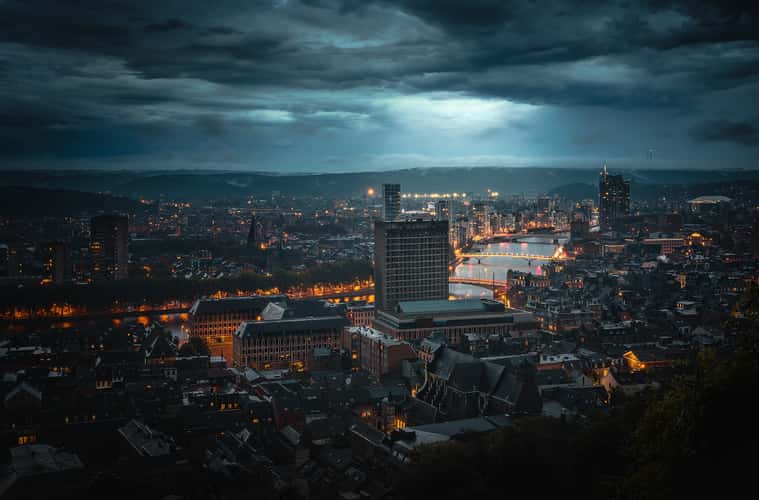
Liège is a captivating Belgian city that seamlessly blends avant-garde modern architecture with a rich, gritty industrial history. It offers photographers a unique palette of subjects ranging from the futuristic curves of a world-class train station to the steep, historic stairways of the old town.

latest contributors
Herbert A. Franke Klaus L. Jos Houseman Birgit Bogen Chris Braeckevelt

Tips for your trip to Liège

About the location

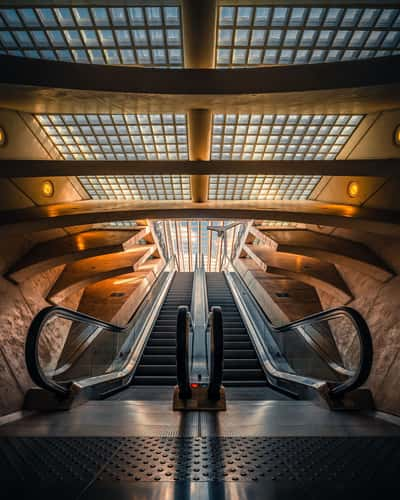
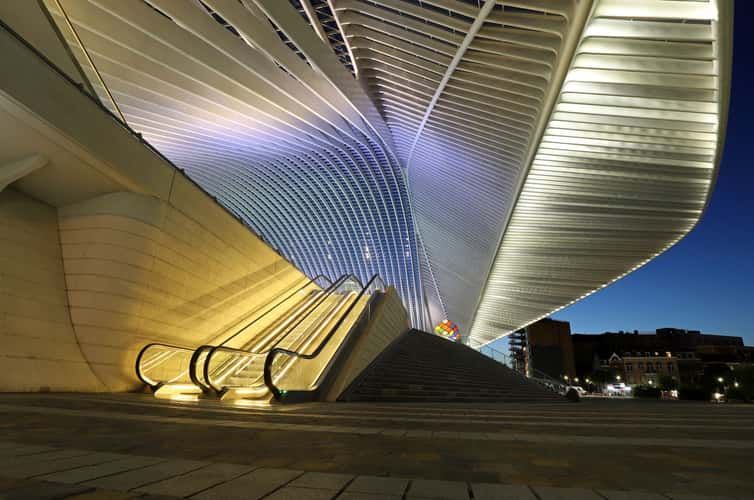
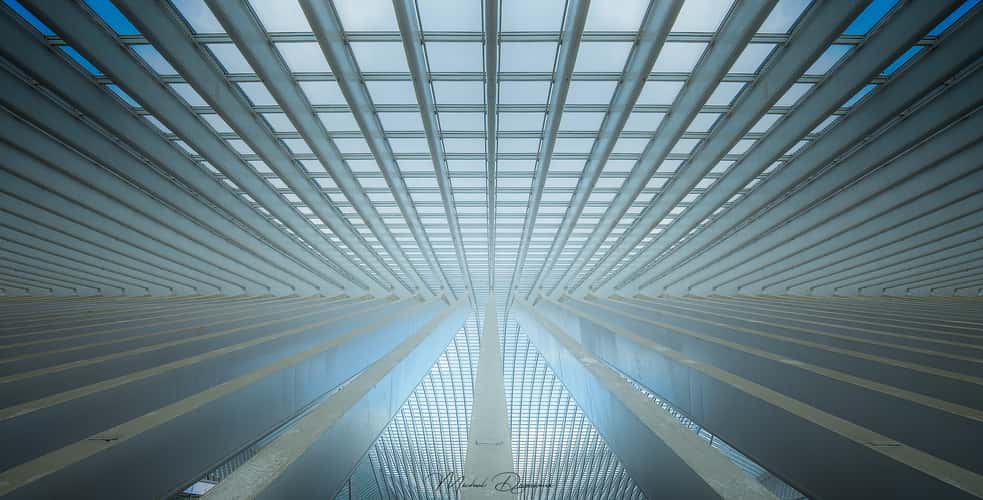
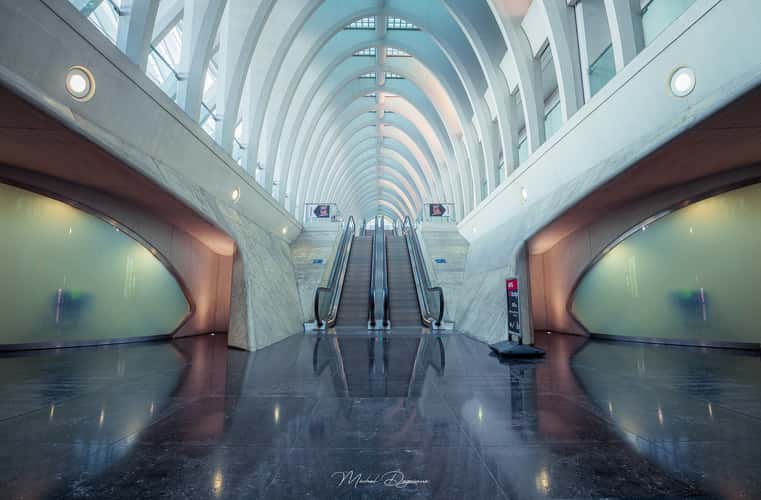
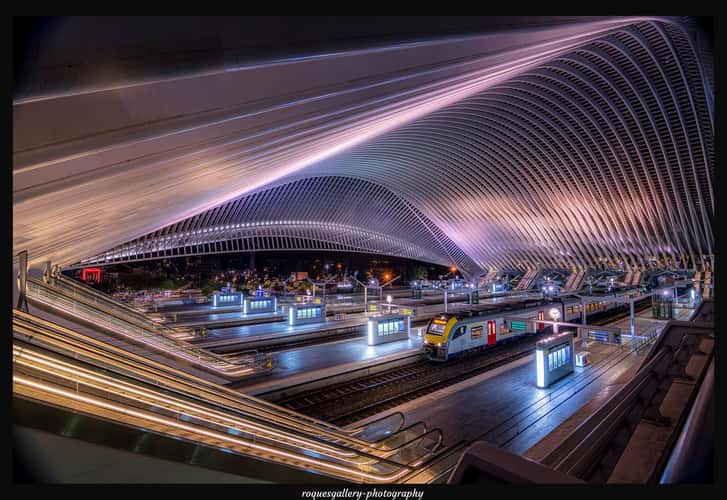
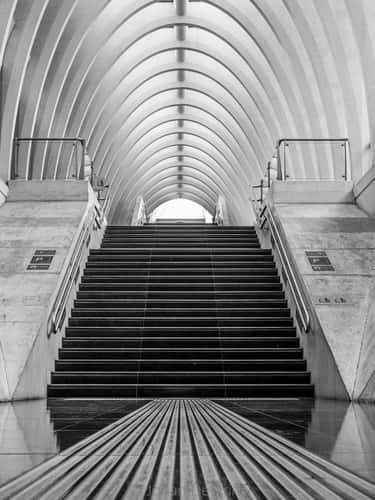
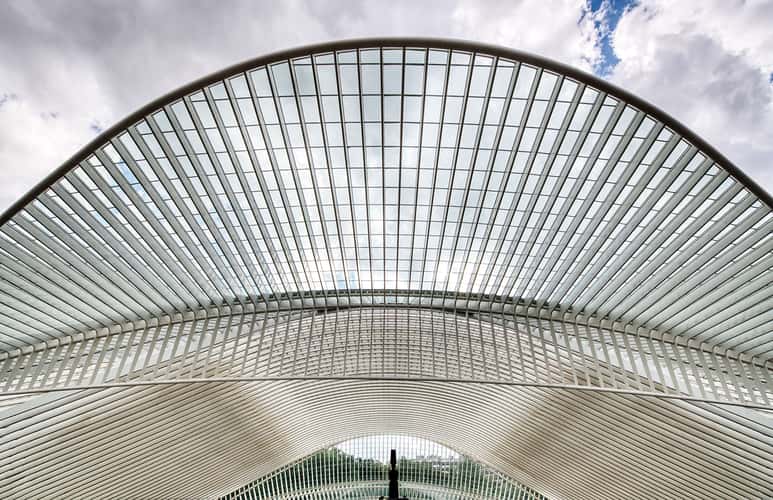
The centerpiece for any architectural photographer is the Gare de Liège-Guillemins, designed by Santiago Calatrava. Its white concrete, steel, and glass canopy creates incredible geometric patterns and shadows that change throughout the day. Beyond the station, the city’s character is defined by the Meuse River, which provides excellent opportunities for long-exposure waterfront shots and bridge photography.

For those interested in urban exploration and street photography, the Cité Ardente (Ardent City) offers narrow medieval alleys, hidden courtyards in the Hors-Château district, and the iconic Montagne de Bueren. This massive staircase provides a challenging climb but rewards you with a staggering perspective of the urban sprawl. The contrast between the sleek new developments and the weathered, authentic charm of the older neighborhoods makes Liège a versatile destination for any portfolio.
Best timing

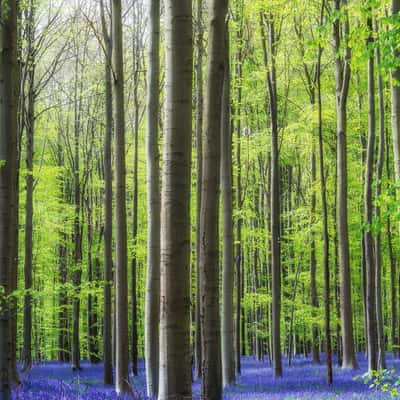
The best time to photograph Liège is during the shoulder seasons of spring and autumn when the light is softer and the weather is generally pleasant for walking. Early morning is essential for capturing the Gare de Liège-Guillemins without the bustle of commuters, allowing the architecture to speak for itself.

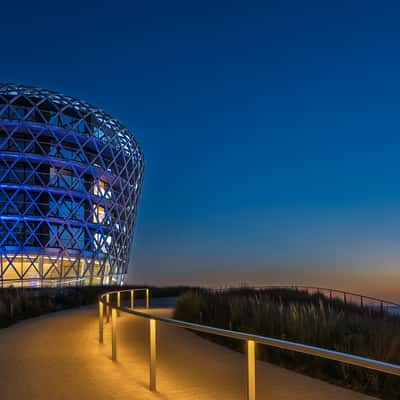
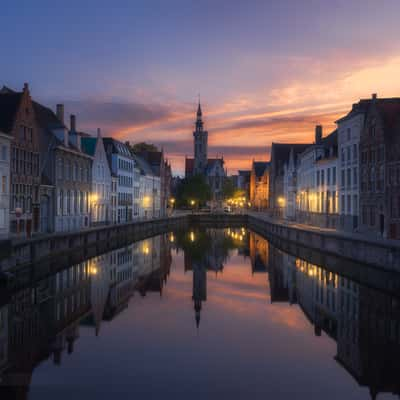
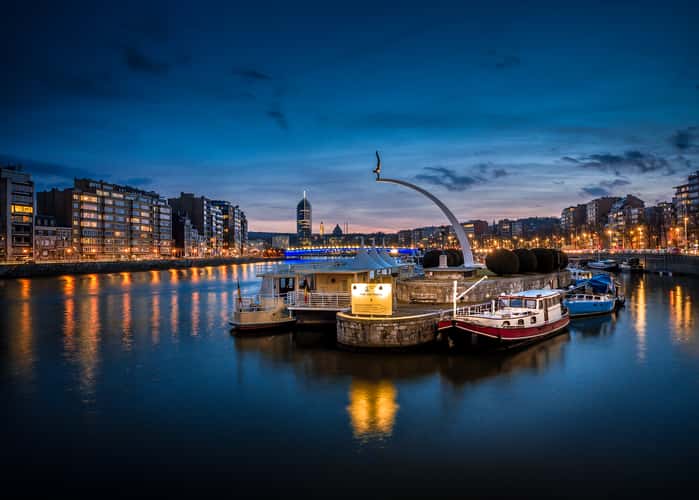
Evening and the blue hour are also fantastic, particularly along the Meuse River. The city's bridges and the modern station light up beautifully, offering a completely different atmosphere compared to daytime.

Traveling

Liège is exceptionally well-connected by rail, sitting on major high-speed lines connecting Brussels, Paris, Cologne, and Amsterdam. The Gare de Liège-Guillemins is the primary entry point and is located a short bus or train ride from the city center. If arriving by car, it is best to use one of the large underground parking garages like those at Place Saint-Lambert or near the cathedral, as street parking in the narrow historic streets is difficult. The city center is relatively compact and best explored on foot, especially the historic districts. For longer distances, an extensive bus network covers the entire metropolitan area.

Photography tips for Liège

For the Gare de Liège-Guillemins, bring a wide-angle lens to capture the scale of the structure. Unfortunately, the use of a tripod is not permitted there. Experiment with different levels of the station to find unique leading lines and framing opportunities. When shooting the Montagne de Bueren, try using a telephoto lens from the bottom to compress the stairs, making them look even steeper, or shoot from the top at sunset for a wide city panorama. Don't miss the Impasse (dead-end alleys) off Rue Hors-Château for intimate, quiet street scenes that feel frozen in time. For reflections, head to the banks of the Meuse near the Sauvenière district during the blue hour.

Other languages

Here is how Liège is called in other languages:
CS Lutych DE Lüttich EL Λιέγη ES Lieja FI Liège FR Liège HI लीज HR Liège IS Liège IT Liegi JA リエージュ NL Luik NO Liège PL Liège PT Liège RU Льеж SV Liège TR Liège ZH 列日

Imprint & Contact © Locationscout 2026 Privacy / Terms