


82 Photo Spots in West Coast (New Zealand)

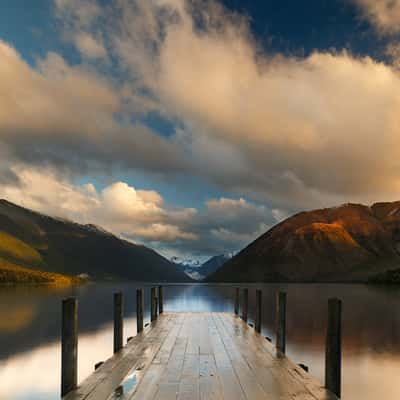
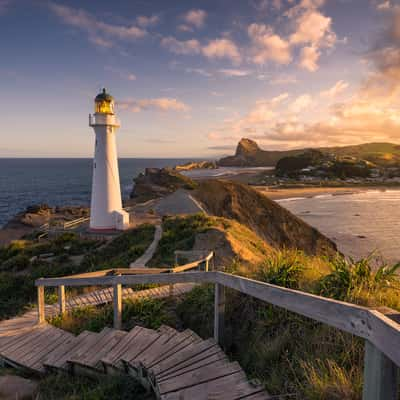
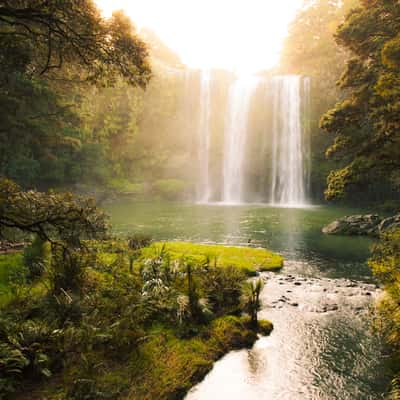
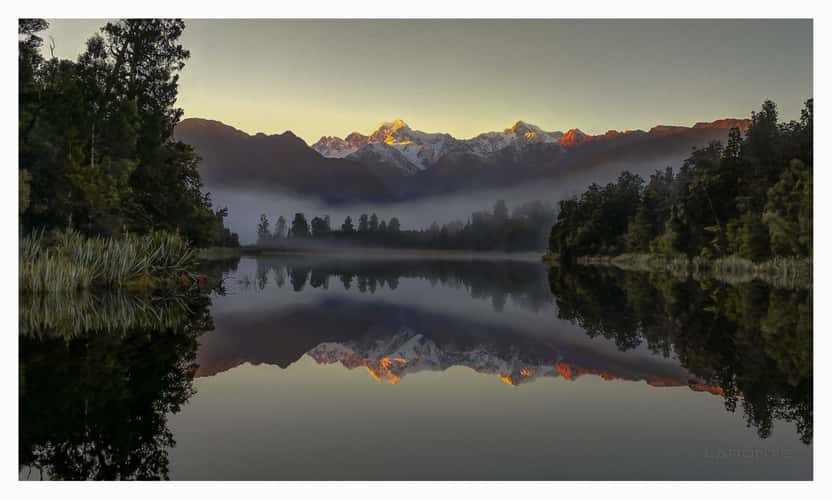
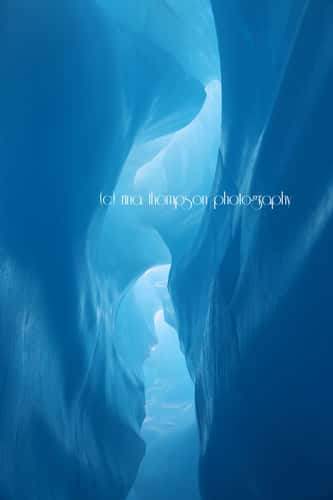
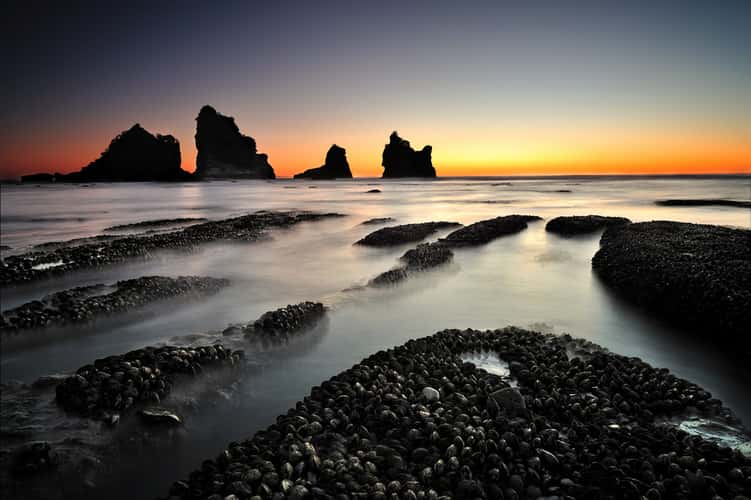
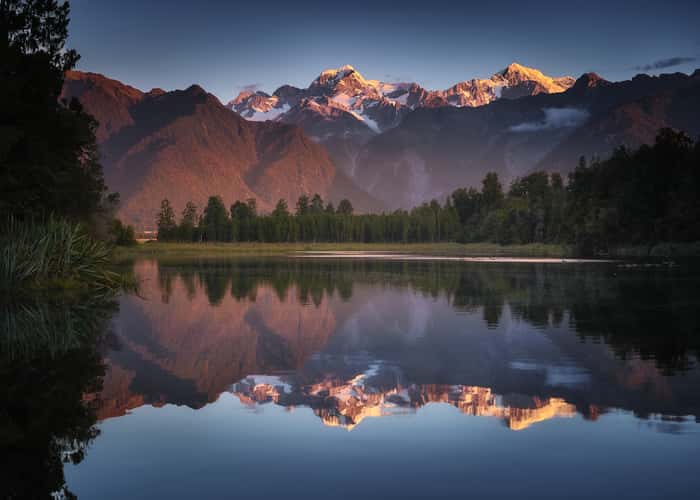
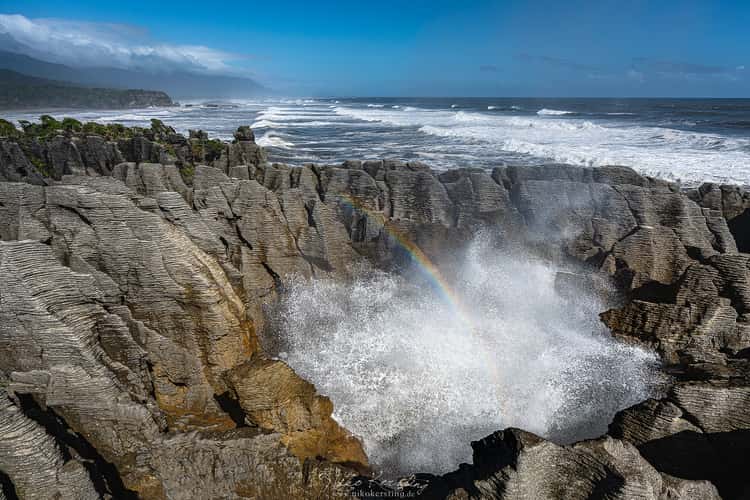
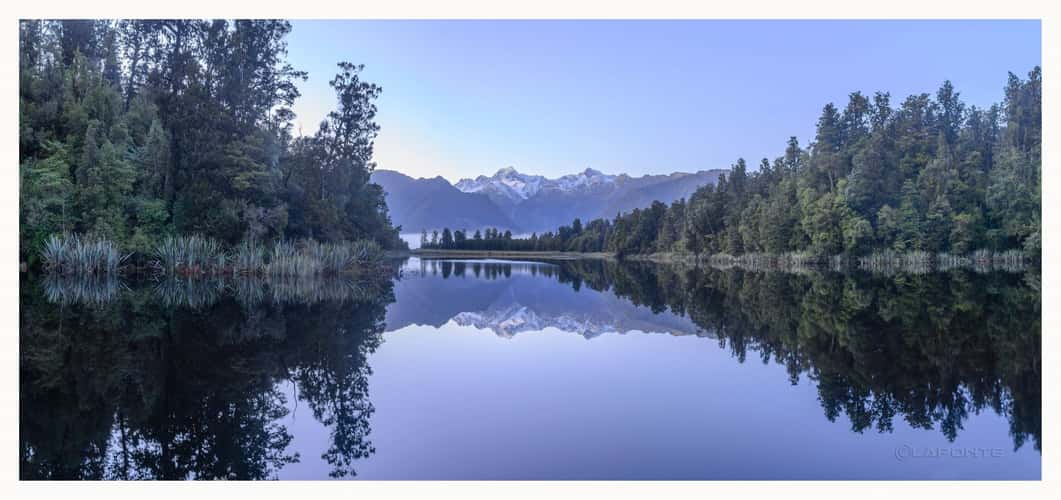
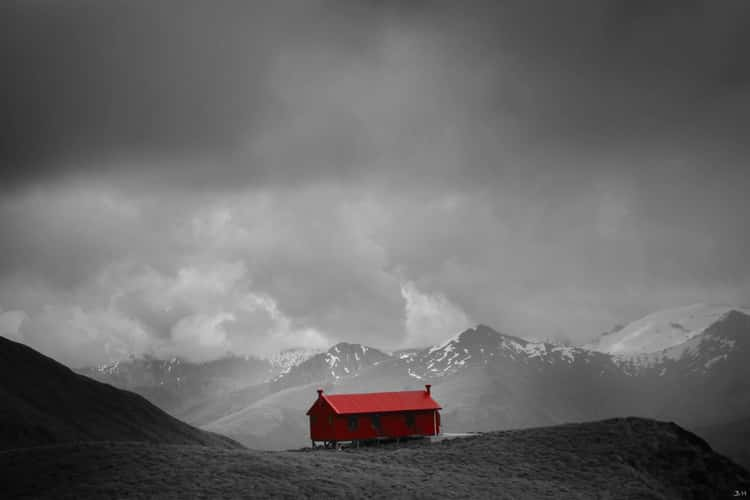
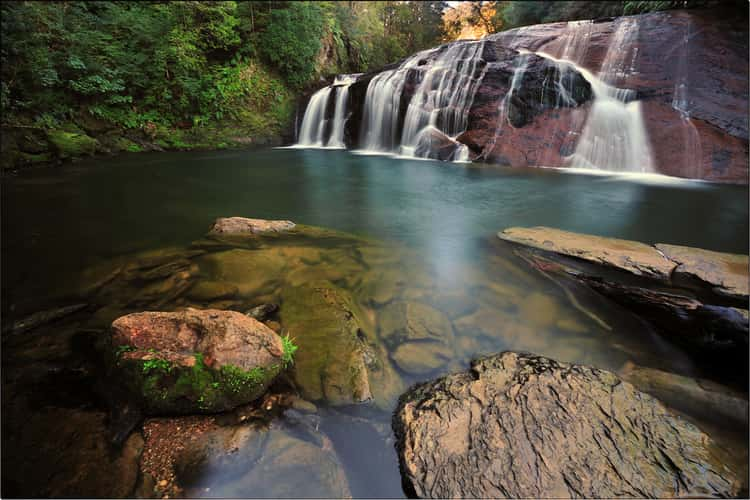
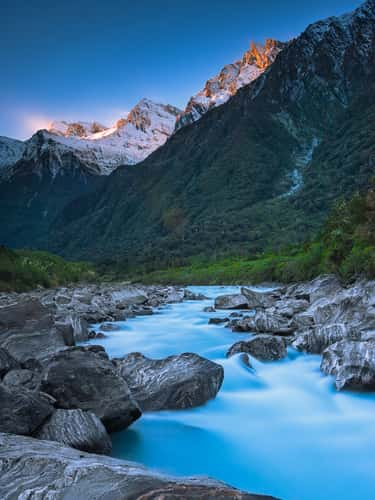
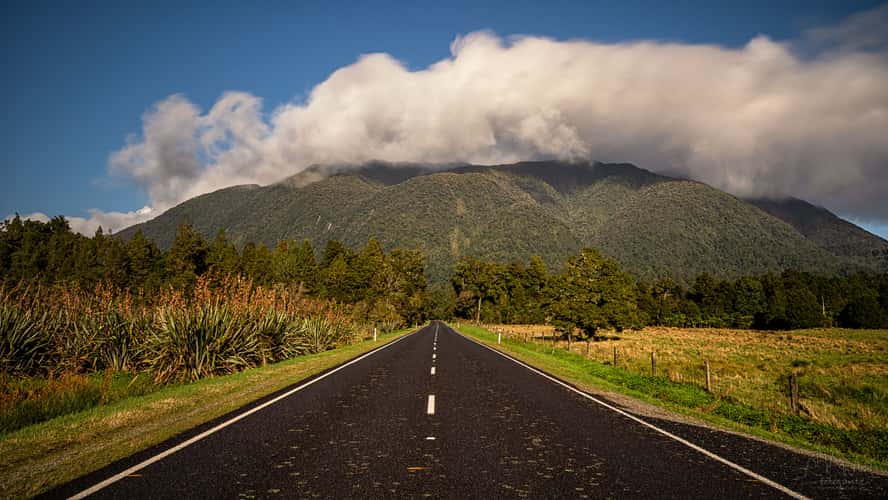
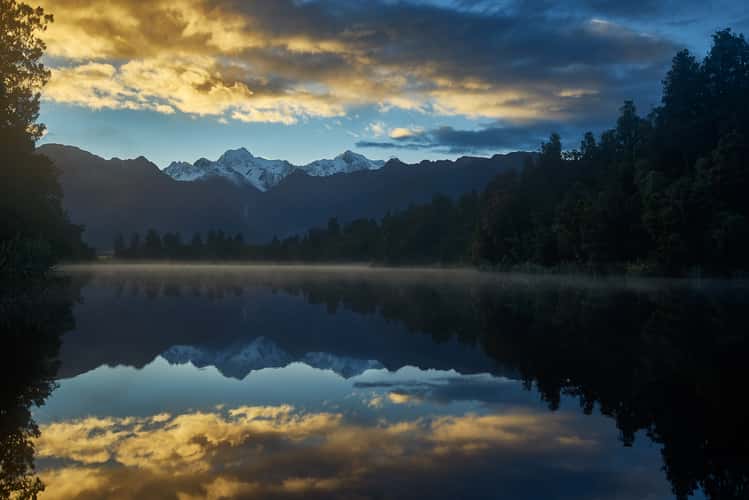
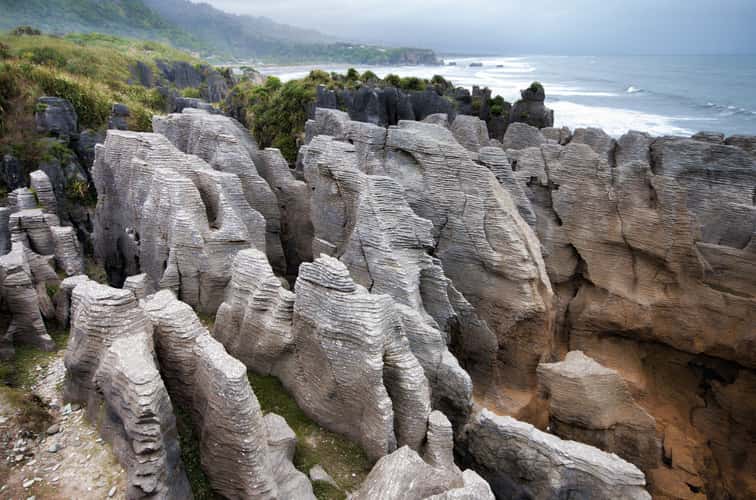
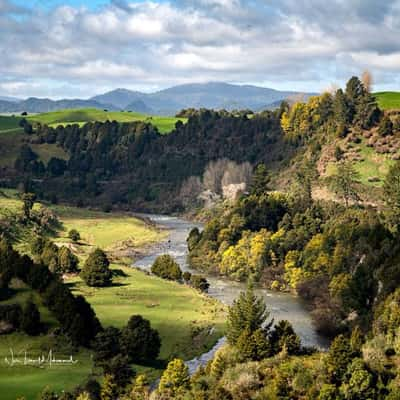
The West Coast of New Zealand is a rugged stretch of land known for its dramatic limestone cliffs, ancient rainforests, and massive glaciers. It offers photographers a raw and moody atmosphere where the wild Tasman Sea meets the towering peaks of the Southern Alps. This region is unique for its geological diversity, featuring the famous Pancake Rocks and blowholes at Punakaiki and the startlingly turquoise waters of the Hokitika Gorge. The glaciers, Franz Josef and Fox, are rare examples of ice fields descending into temperate rainforests, providing exceptional textures and colors for landscape shots. With high rainfall, the area is lush and filled with powerful waterfalls, while the heavy moisture in the air often results in spectacular, fiery sunsets over the ocean. Photographers will find endless inspiration in the remote, mist-covered valleys and the untouched wilderness of the various national parks.

latest contributors
Sebastian Lehrke Reiner Boehme Maximilian Lehrke

Tips for your trip to West Coast (New Zealand)

Best timing

Autumn (March to May) is arguably the best time for photography as it offers more stable weather and clearer skies than the rainy spring season. Winter provides the best visibility of the snowy Southern Alps and crisp, bright days, though coastal areas can remain quite cold.
Spring is excellent for capturing the region's waterfalls at their peak flow, but you must be prepared for frequent, heavy rainfall. Regardless of the season, sunset is the prime time for coastal photography, as the Tasman Sea often produces dramatic light.
Traveling

Accessing the West Coast requires driving via State Highway 6, which connects the region to Nelson in the north and Wanaka in the south. Traversing the Southern Alps from Christchurch via Arthur's Pass is the most common entry point for those arriving by air. A rental car or campervan is essential for photographers, as public transport is extremely limited and many of the best vantage points are remote. Parking is available at all major landmarks like Punakaiki and the glaciers, though sandflies and weather conditions should be considered when leaving the vehicle. Ensure your vehicle is well-fueled, as distances between service stations can be significant in this wild landscape.

Photography tips for West Coast (New Zealand)

A sturdy tripod and weather-sealed equipment are vital because of the high humidity and frequent rain showers in the region. Neutral density filters are particularly useful for smoothing the churning waves of the Tasman Sea and capturing the silky flow of the turquoise glacial rivers. For composition, use the unique ferns of the rainforest as foreground elements to provide a sense of depth and scale against the mountain backdrops. Be prepared to shoot during 'bad' weather; the dramatic clouds and mist often create much more compelling images than a clear sky. Don't forget to protect your lenses from salt spray when shooting along the coast, and always carry insect repellent for the persistent sandflies.

Other languages

Here is how West Coast (New Zealand) is called in other languages:
CS West Coast (Nový Zéland) DE West Coast (Neuseeland) EL Δυτική Ακτή (Νέα Ζηλανδία) ES West Coast (Nueva Zelanda) FI West Coast (Uusi-Seelanti) FR West Coast (Nouvelle-Zélande) HI वेस्ट कोस्ट (न्यूजीलैंड) HR West Coast (Novi Zeland) IS West Coast (Nýja-Sjáland) IT Nuova Zelanda West Coast JA ウエスト・コースト (ニュージーランド) NL West Coast (Nieuw-Zeeland) NO West Coast (New Zealand) PL West Coast (Nowa Zelandia) PT West Coast (Nova Zelândia) RU Вест-Кост (Новая Зеландия) SV West Coast (Nya Zeeland) TR West Coast (Yeni Zelanda) ZH 西海岸 (新西兰)

Imprint & Contact © Locationscout 2026 Privacy / Terms