



24 Photo Spots in Tasman

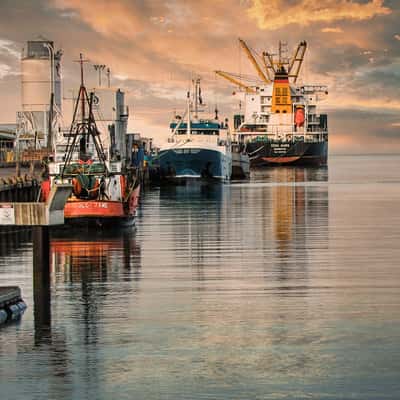
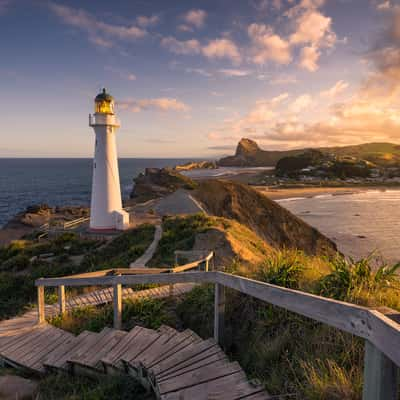
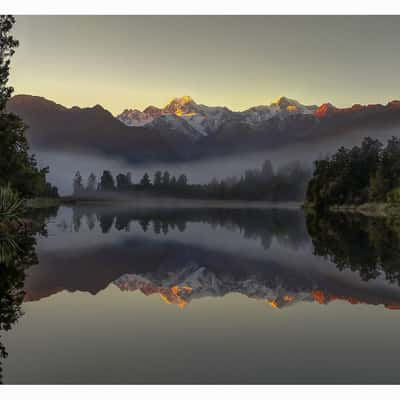
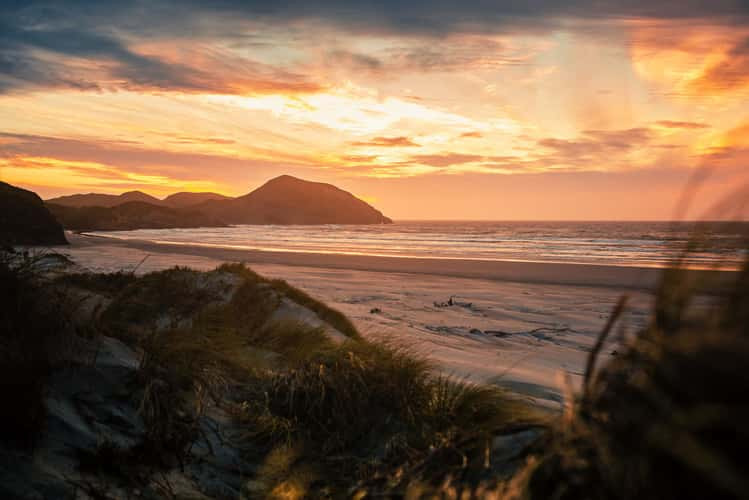
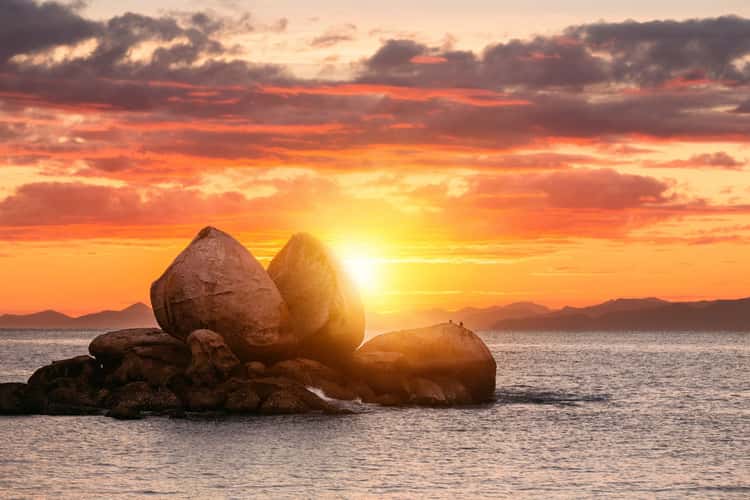
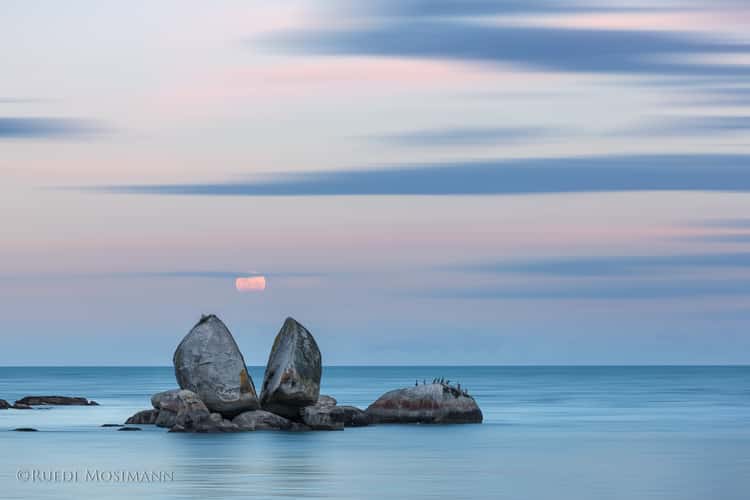
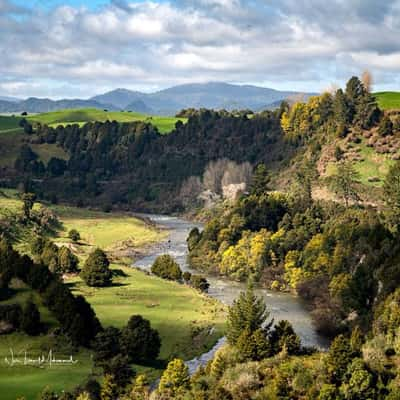
The Tasman region is a stunning coastal and mountainous district situated at the northern tip of New Zealand's South Island, famous for its sun-drenched beaches and three diverse national parks. It provides photographers with an exceptional variety of landscapes ranging from the golden sands and turquoise coves of the coast to the rugged alpine peaks of the interior.

latest contributors
Maximilian Lehrke Mathias & Annika Koch Susan Gan Ruedi Mosimann Donovan Callaghan

Tips for your trip to Tasman

About the location

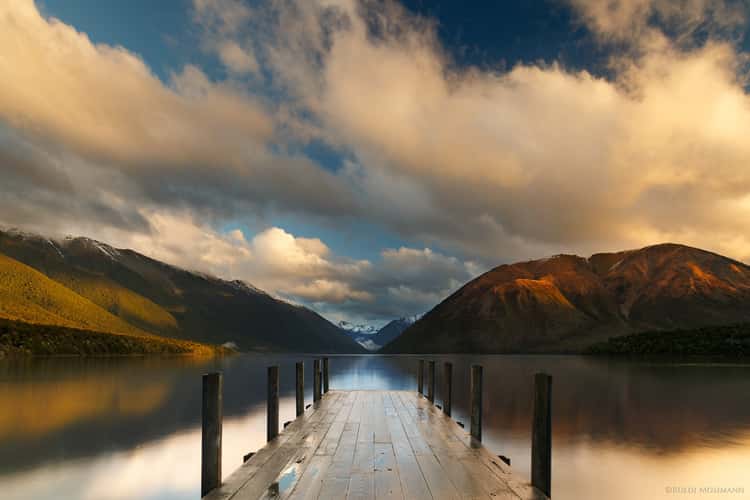
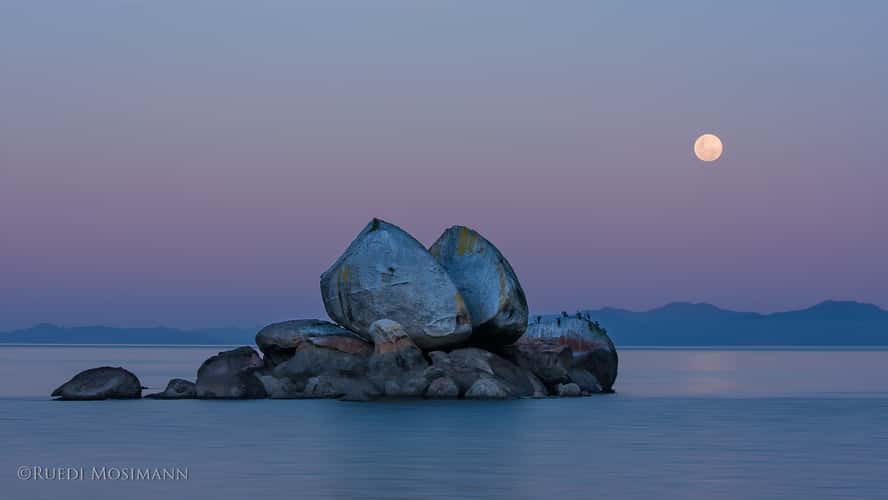
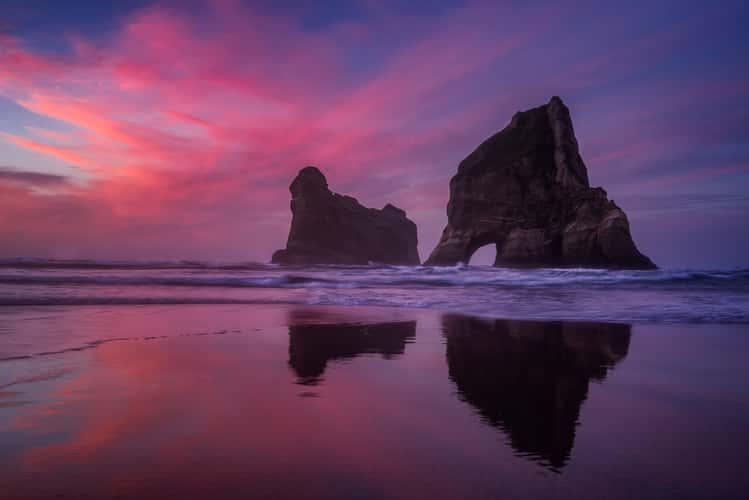
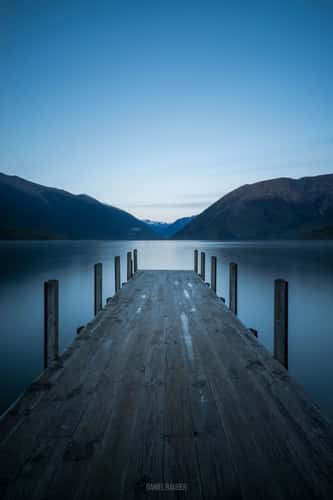
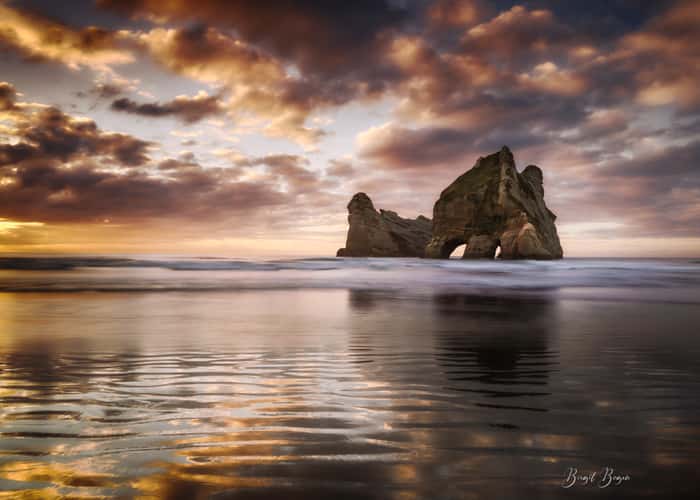
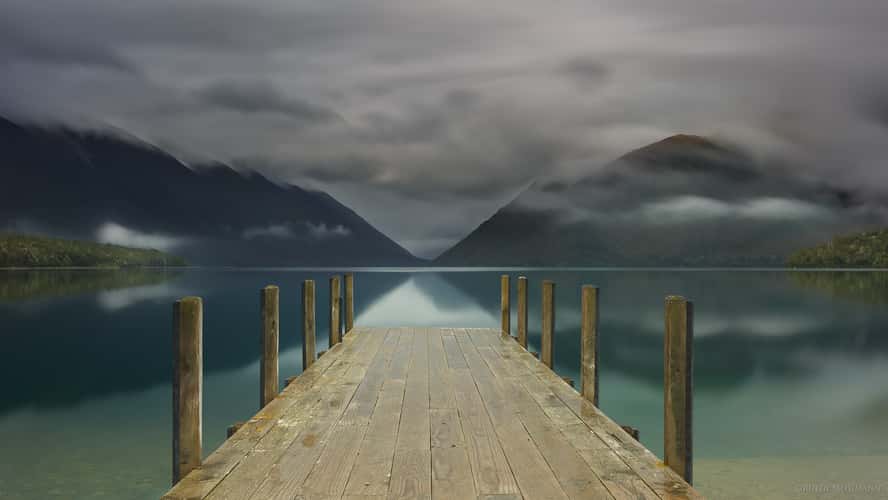
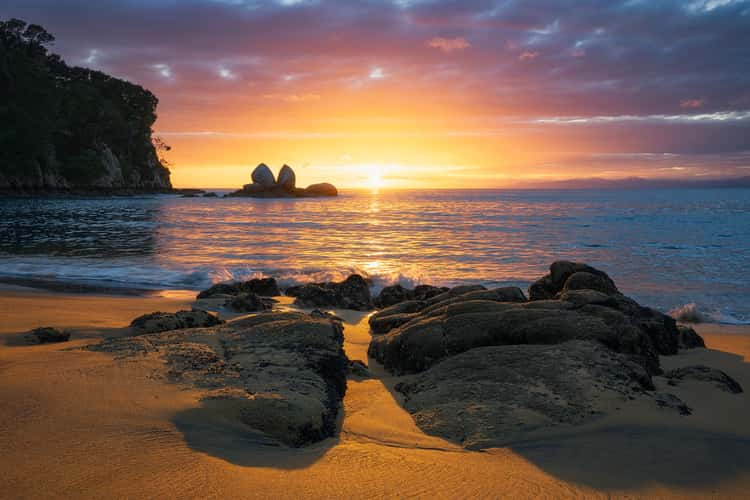
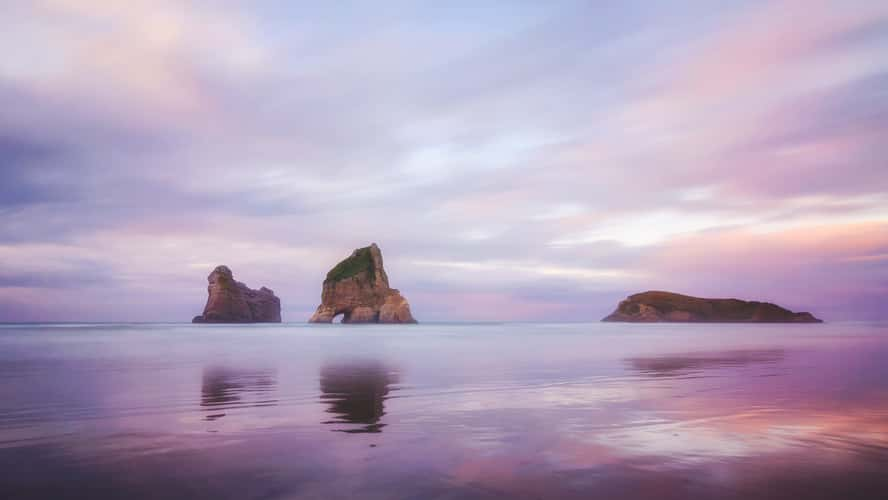
The Abel Tasman National Park is a highlight, offering granite rock formations and crystal-clear waters that are best captured from both land and sea. In contrast, Golden Bay features the dramatic sea stacks of Wharariki Beach and the incredibly clear Te Waikoropupū Springs, which are among the clearest freshwater springs in the world. Nelson Lakes National Park adds a different dimension with its deep glacial lakes, Rotoiti and Rotoroa, which provide perfect opportunities for capturing alpine reflections and atmospheric mountain scenery.
Best timing

The best time for photography is during autumn (March to May) when the weather is settled, the light is soft, and the summer crowds have dispersed.

Spring is also excellent for vibrant flora and flowing waterfalls, while winter provides crisp air and snow-dusted mountains in the Nelson Lakes area.

Traveling

Most visitors fly into Nelson Airport and rent a car to explore the sprawling region, as public transport is limited between remote photographic spots. To access the heart of Abel Tasman National Park, you will need to use water taxis from Marahau or Kaiteriteri, while Golden Bay requires a drive over the steep and winding Takaka Hill. Parking is generally available at major track entrances, though spots fill up quickly during peak seasons.

Photography tips for Tasman

At Wharariki Beach, time your visit with low tide to capture the iconic Archway Islands with reflections on the wet sand and avoid being cut off by the tide. Use a circular polarizer to enhance the deep blues and greens of the coastal waters and a tripod for long-exposure shots of the exceptionally clear springs or the milky way in the dark sky reserves. A wide-angle lens is perfect for the sweeping landscapes, but bring a telephoto for details of the coastal wildlife.

Other languages

Here is how Tasman is called in other languages:
CS Tasman DE Tasman EL Τάσμαν ES Tasman FI Tasman FR Tasman HI तस्मान HR Tasman IS Tasman IT Tasman JA タスマン NL Tasman NO Tasman PL Tasman PT Tasman RU Тасман SV Tasman TR Tasman ZH 塔斯曼

Imprint & Contact © Locationscout 2026 Privacy / Terms