
3 Photo Spots in Gisborne (Region)

The Gisborne region is celebrated as the first place on Earth to witness the sunrise, providing photographers with extraordinary opportunities to capture the very first light of day. This rugged coastal territory on New Zealand's North Island features a stunning mix of secluded bays, historic landmarks, and world-class vineyards.

latest contributors
Wolfgang Haas Donovan Callaghan

Tips for your trip to Gisborne (Region)

About the location

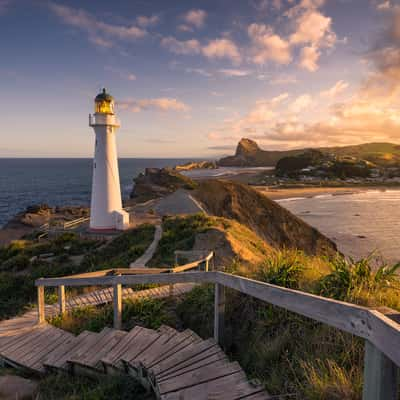
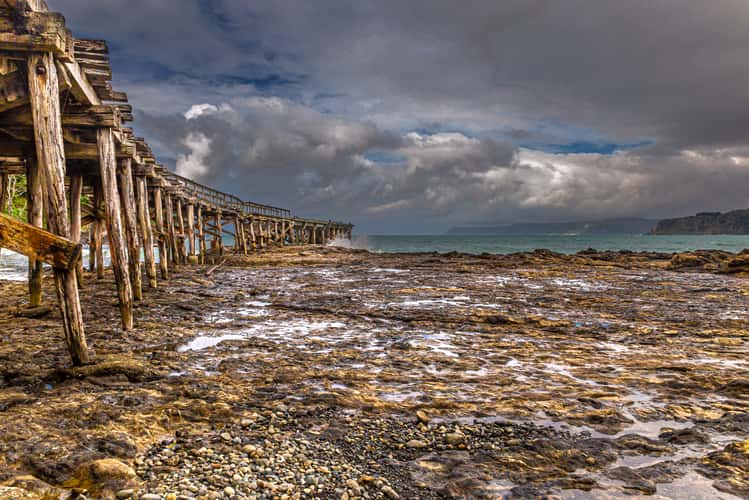
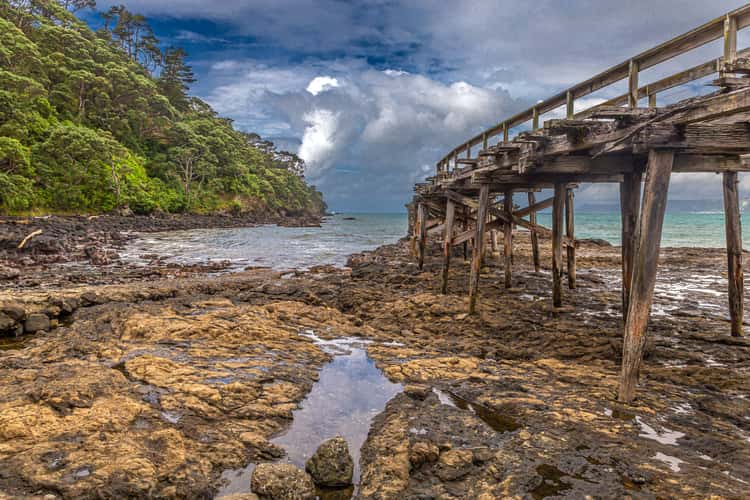
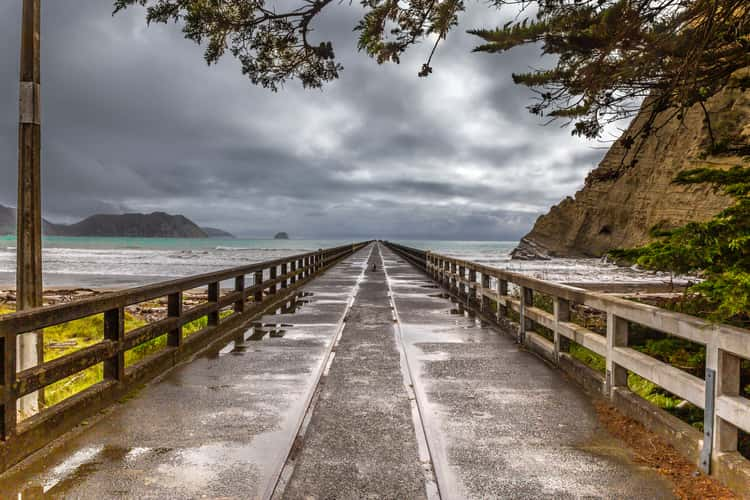
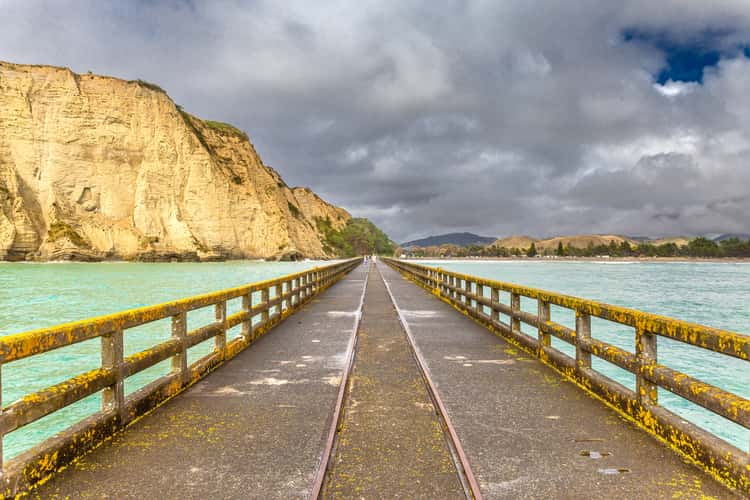
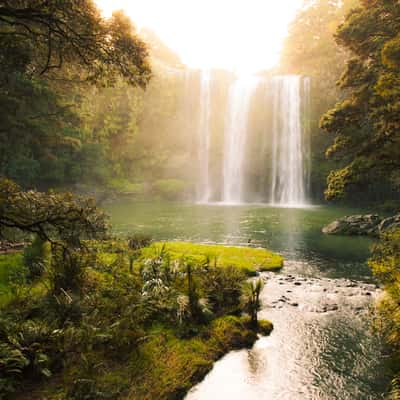
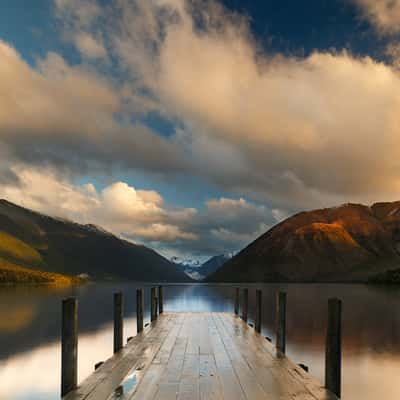
Beyond its famous sunrises, Gisborne, or Tairāwhiti, is a cultural heartland where Maori heritage is deeply integrated into the landscape. Photographers will find striking carved meeting houses and statues that offer a unique cultural narrative amidst the natural scenery. The coastline along State Highway 35 is particularly photogenic, boasting the massive 660-meter Tolaga Bay Wharf and the iconic East Cape Lighthouse perched high on a cliff.

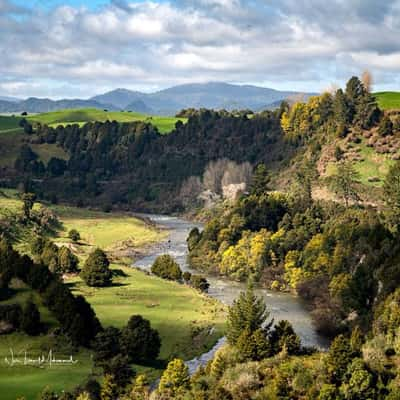
The interior of the region is equally captivating, characterized by the dramatic Raukumara Range and rolling hills carpeted in Chardonnay grapes. This diversity allows for a wide range of styles, from high-action surf photography at Wainui Beach to minimalist architectural shots of the region's historic wool sheds. The remote nature of the area ensures that many locations remain pristine and uncrowded, offering a sense of solitude and discovery for those willing to travel off the beaten path.
Best timing

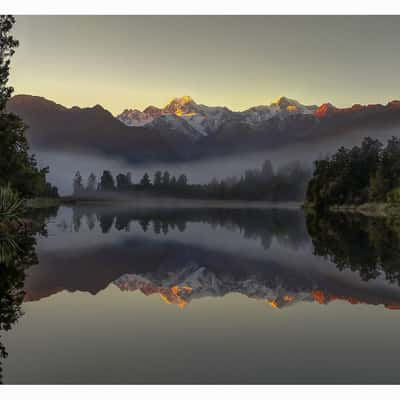
The best time to visit for photography is during the autumn months of March to May, when the weather is stable and the vineyards turn vibrant shades of gold and orange. The light during this season is particularly soft, and the morning mists in the valleys provide beautiful atmospheric depth for landscape shots.

Spring is also a fantastic choice, offering lush green pastures and blooming flora, though the weather can be more unpredictable. Regardless of the season, being on-location at least thirty minutes before dawn is essential to capture the region's signature 'first light' phenomenon over the Pacific Ocean.

Traveling

Gisborne is accessible via domestic flights into Gisborne Airport from major cities like Auckland and Wellington. For those driving, the Pacific Coast Highway (State Highway 35) offers a scenic but winding route that requires careful navigation. A rental car is absolutely necessary to reach the scattered photography spots, and a 4WD is recommended if you plan to explore the more rugged inland tracks or remote beach access points. Parking is generally ample at most major scenic lookouts and beaches, but photographers should be mindful of 'no exit' signs and private land boundaries in rural areas.

Photography tips for Gisborne (Region)

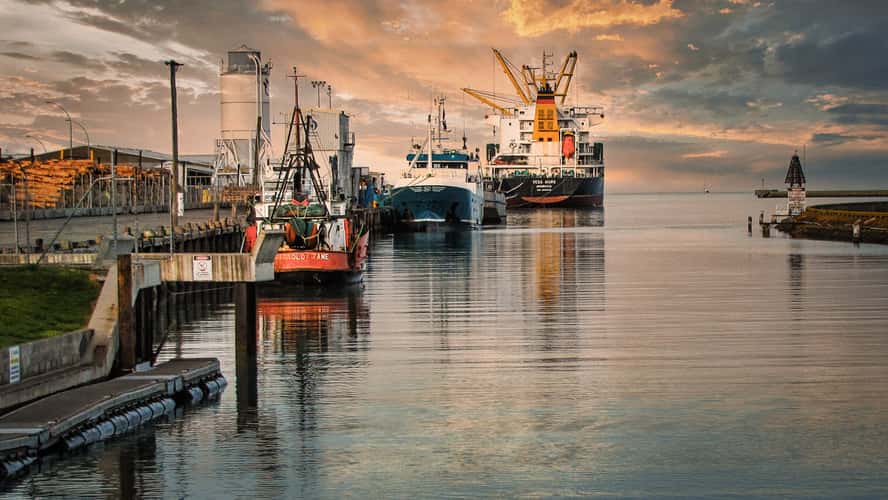
To capture the iconic Tolaga Bay Wharf, arrive at sunrise to use the long pier as a leading line into the ocean, using ND filters for long exposures to flatten the waves. For the East Cape Lighthouse, be prepared for a steep climb of 800 steps; carry lightweight gear but don't forget a wide-angle lens to capture the vast panoramic view from the top. In the vineyards, a drone can provide a unique perspective on the patterns of the vines, especially when the sun is low and creating long shadows. Always respect local tapu (sacred) sites and seek permission before photographing private Maori land or marae interiors.

Other languages

Here is how Gisborne (Region) is called in other languages:
CS Gisborne DE Gisborne EL Γκίσμπορν ES Gisborne FI Gisborne FR Gisborne HI गिसबोर्न HR Gisborne IS Gisborne IT Gisborne JA ギズボーン NL Gisborne NO Gisborne PL Gisborne PT Gisborne RU Гисборн SV Gisborne TR Gisborne ZH 吉斯伯恩

Imprint & Contact © Locationscout 2026 Privacy / Terms