

479 Photo Spots in Utah

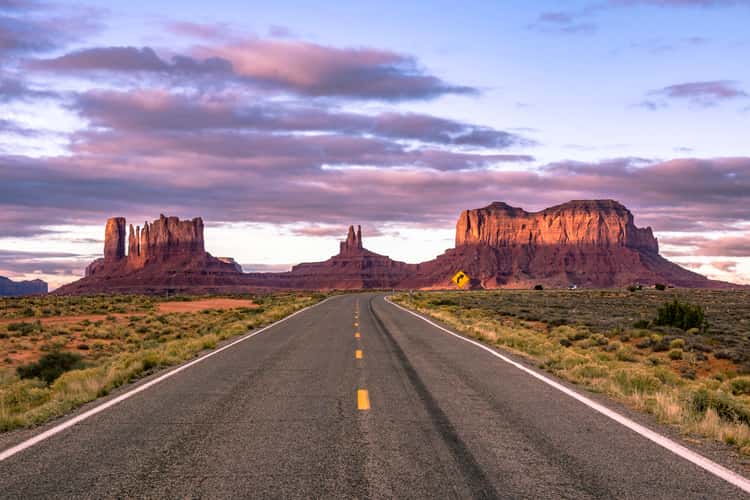
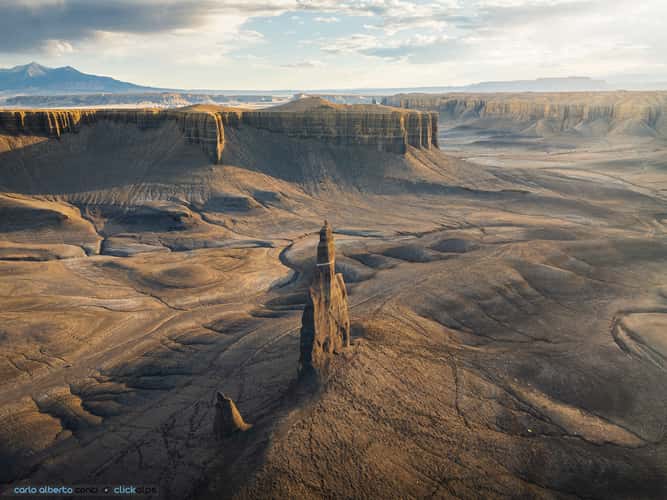
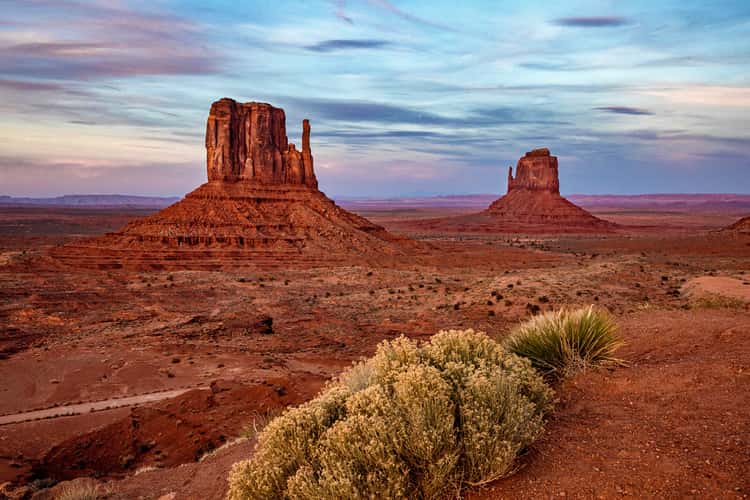
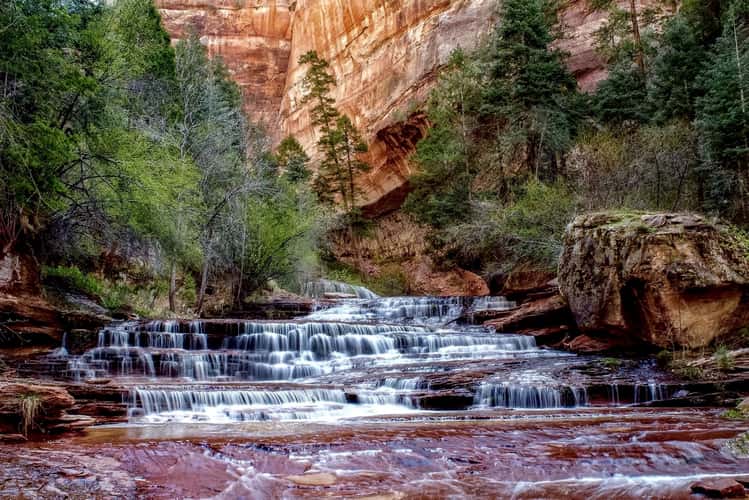
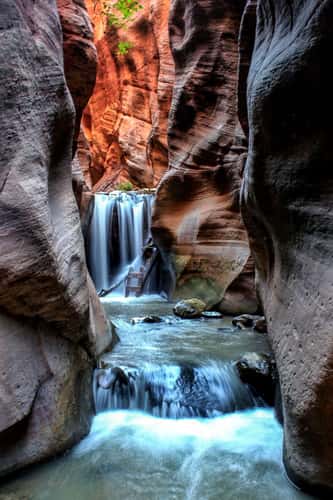
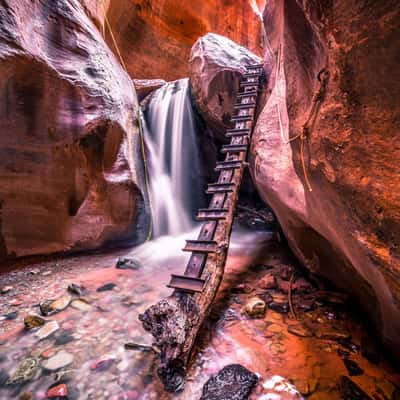
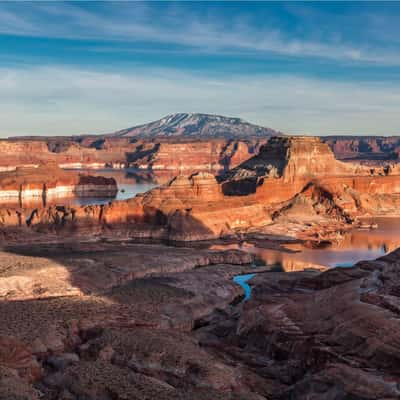
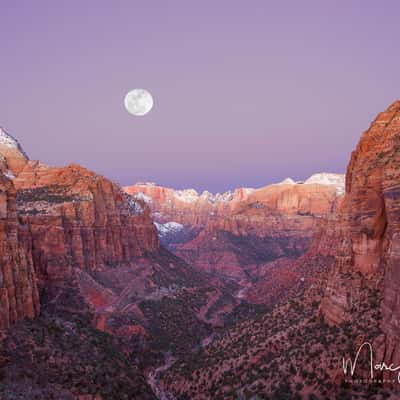
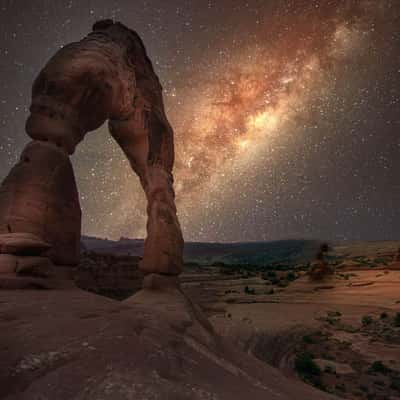
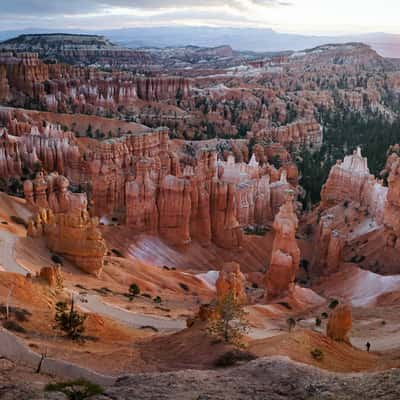
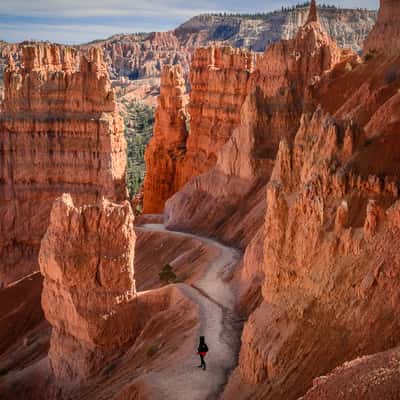
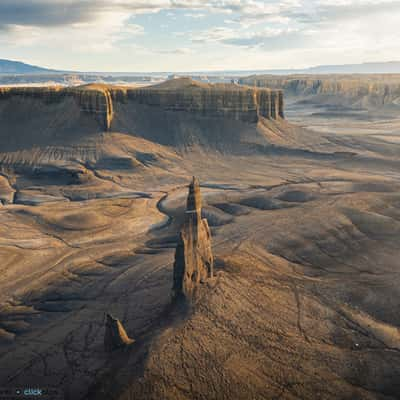
Utah is a photographer's dream, known for its dramatic landscapes, including national parks like Zion, Arches, and Bryce Canyon. These parks feature stunning desert scenes, towering rock formations, and vibrant canyons.

latest contributors
Gary Leverett Reiner Hofer ceeisgood Hakon Schalk Roel Beek

Tips for your trip to Utah

About the location

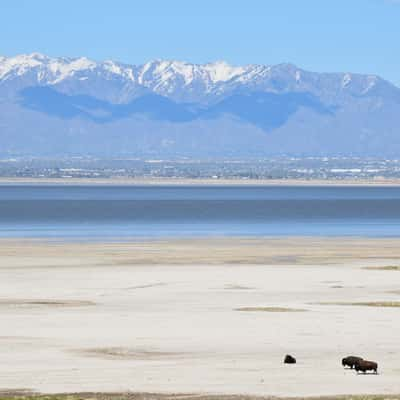
Utah also offers unique locations like the Great Salt Lake and Bonneville Salt Flats for surreal landscape shots. With its rich Native American history, photographers can capture ancient rock art and sacred sites. The state's diverse scenery makes it ideal for capturing everything from sweeping vistas to stargazing and seasonal shots, particularly during the fall in the Wasatch Mountains.
Best timing

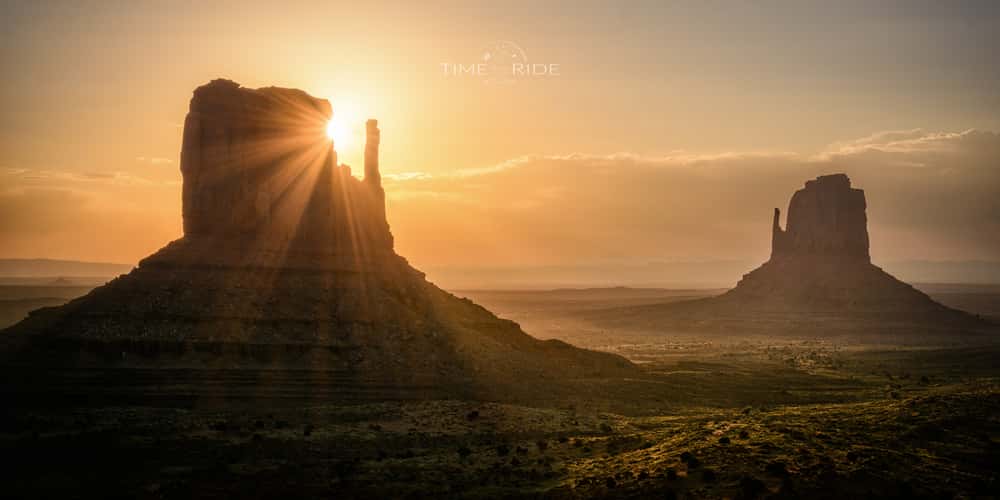
The best timing to visit Utah for photography is during the shoulder seasons of spring and autumn. From late March to May, you will encounter mild temperatures and blooming desert wildflowers, while September to October offers cooler air and stunning fall colors in the higher elevations like Zion’s canyons. These windows avoid the blistering summer heat and the extreme winter cold, though winter can provide a unique opportunity to capture snow-dusted red rocks. Lighting is most dramatic during the golden hours of sunrise and sunset, which accentuate the textures and deep reds of the sandstone formations. If you are interested in astrophotography, the new moon phases during these months offer some of the clearest, darkest skies in the lower forty-eight states.

Traveling

Most photographers fly into Salt Lake City International Airport or Las Vegas International Airport to access southern Utah. A rental car is essential, and choosing a high-clearance 4WD vehicle is strongly recommended for accessing more remote locations like those in Grand Staircase-Escalante or certain parts of Canyonlands. While major National Parks like Arches and Zion have paved roads and designated parking lots, these areas get extremely crowded; arriving before dawn is often necessary to secure a spot. In Zion, a shuttle system operates for much of the year, so plan your gear accordingly for transport. Cell service is often non-existent in the backcountry, so offline maps and GPS devices are vital tools for any visiting photographer.

Photography tips for Utah

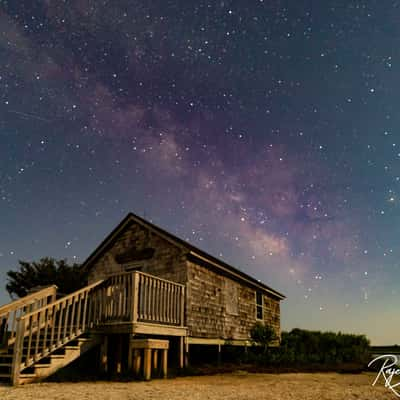
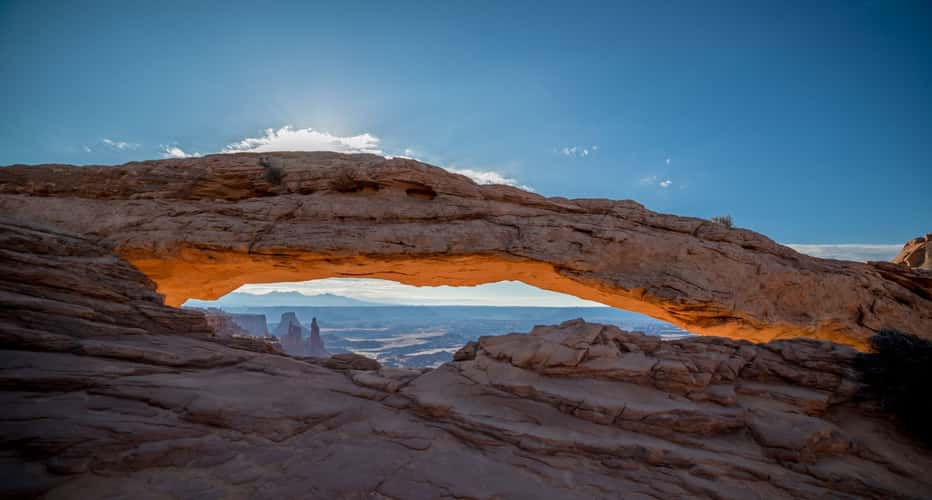
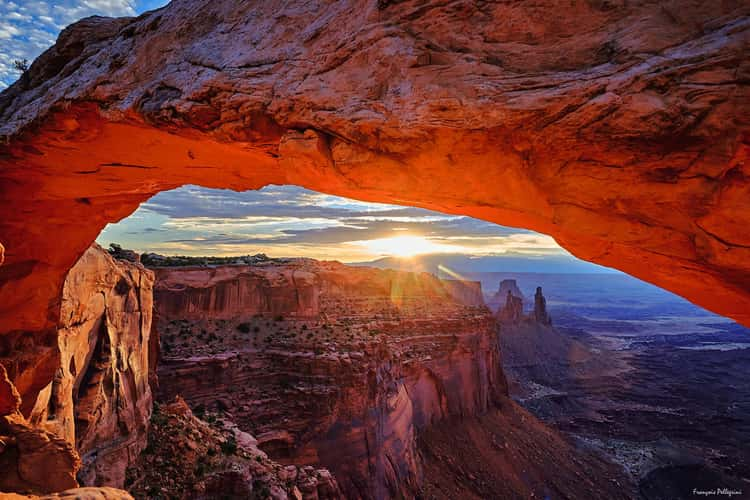
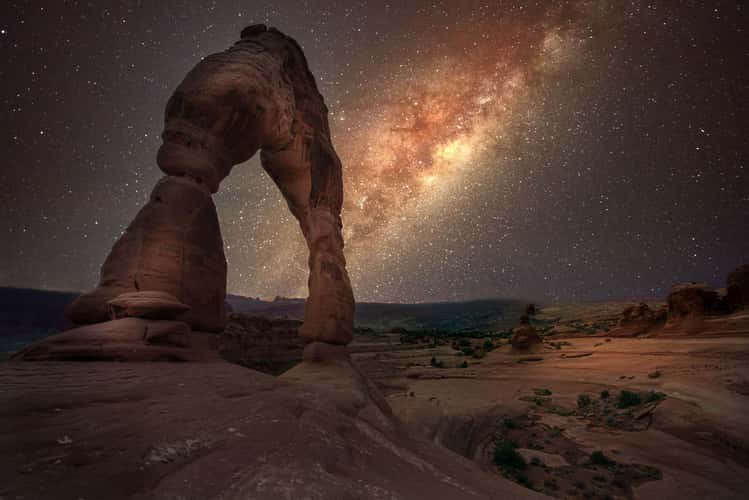
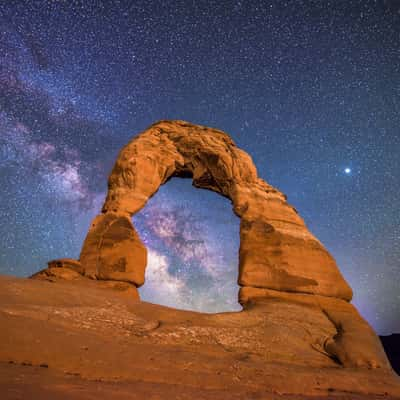
To capture the best of Utah, focus on the Mighty 5 National Parks: Arches, Bryce Canyon, Canyonlands, Capitol Reef, and Zion. Use a wide-angle lens for expansive vistas and a telephoto lens to isolate the intricate textures and patterns of the rock layers. Circular polarizers are indispensable for managing glare on rocks and deepening the blue of the desert sky. For composition, look for natural leading lines in the fin formations or use the iconic arches as frames for your subject. Since Utah is home to many International Dark Sky Parks, bring a fast prime lens and a sturdy tripod for milky way shots. Be prepared for high-contrast scenes by bracketing your exposures, especially during the intense transitions of sunrise and sunset.

Other languages

Here is how Utah is called in other languages:
CS Utah DE Utah EL Γιούτα ES Utah FI Utah FR Utah HI यूटा HR Utah IS Utah IT Utah JA ユタ NL Utah NO Utah PL Utah PT Utah RU Юта SV Utah TR Utah ZH 犹他

Imprint & Contact © Locationscout 2026 Privacy / Terms